Best Beachfront Resorts in the US: The 2026 Editorial Pillar
The American coastline is a study in geographic and cultural diversity, stretching from the rugged, fog-swept cliffs of the Pacific Northwest to the neon-hued, sub-tropical sands of the Florida Keys. Selecting the best beachfront resorts in the US is not merely a matter of proximity to the tideline; it is an exercise in matching a traveler’s specific “Coastal Archetype” to a property’s “Environmental DNA.” The sheer breadth of the domestic market—incorporating over 12,000 miles of coastline—means that the definition of a flagship resort varies wildly depending on whether one seeks the “Lowcountry” refinement of the Carolinas or the volcanic drama of the Hawaiian archipelago.
In the current travel landscape, the “Beachfront” designation has undergone a rigorous redefinition. No longer is a partial ocean view or a shuttle ride to a public park sufficient to claim the title. The modern traveler demands “Hard-Sand Access”—the ability to transition from a climate-controlled interior to the littoral zone without crossing public roads or navigating high-traffic infrastructure. This shift toward “Seamless Immersion” has elevated a select group of properties that have successfully secured—and preserved—exclusive terrestrial rights to the nation’s most sensitive ecological zones.
This editorial audit serves as a definitive pillar for the discerning strategist. We will deconstruct the systemic evolution of the American resort, analyze the “Yield Management” models that govern seasonal pricing, and apply mental models like “Geographic Scarcity” to identify value. The goal is to move beyond the superficial “Top 10” list and toward a profound understanding of what constitutes a “Generational Asset” in the hospitality sector. Whether you are navigating the high-RPM markets of Maui or the historic charm of the Atlantic barrier islands, this reference provides the analytical depth necessary to master the domestic beachfront.
Understanding “best beachfront resorts in the us”
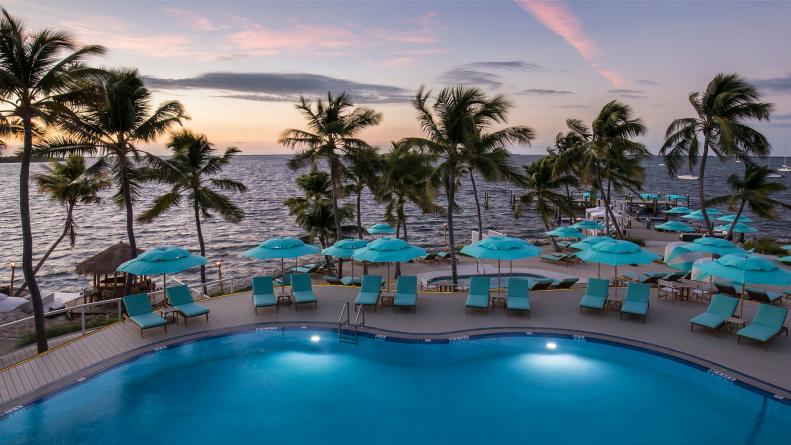
To define the best beachfront resorts in the US, one must move past the “Visual Aesthetic” and toward a “Service Architecture” audit. A common misunderstanding is that a higher price point naturally equates to a superior beach experience. In reality, some of the most expensive properties in the United States suffer from “Beach Erosion Compression”—where the physical sand is disappearing, leaving guests crowded onto narrow strips of land. Managing the selection of these properties requires a “Geomorphological View,” assessing the health of the dune system and the width of the berm before committing to a stay.
From a multi-perspective view, the “Best” resort is often a conflict between “Seclusion” and “Accessibility.” A property like The Royal Hawaiian in Waikiki offers unparalleled historic prestige and immediate access to urban amenities, yet it sacrifices the “Acoustic Purity” found at a more remote enclave like Sensei Lanai. The oversimplification risk here is the “All-Inclusive Bias.” While international markets thrive on all-inclusive models, the US market is largely “A La Carte,” meaning that a “low” base rate at a premier resort can easily double once “Resort Fees,” valet parking, and beach-club service are factored in.
Finally, we must address the “Zoning Ceiling.” In many parts of California and Florida, strict environmental regulations prevent the construction of new beachfront properties. This creates a “Moat” around existing resorts, allowing them to maintain high ADR (Average Daily Rate) even without significant renovations. Truly identifying the best beachfront resorts in the US involves looking for those that have invested in “Capital Improvements” rather than relying solely on their legacy location. A resort that maintains its own desalination or beach-nourishment program is a “Hardened Asset” that will provide a consistent experience regardless of municipal failures.
The Historical and Systemic Evolution of the US Resort
The American beachfront resort began as a “Health-Seeker’s Refuge.” In the 19th century, properties like The Omni Homestead (though inland) set the precedent for “taking the waters.” By the late 1800s, the focus shifted to the coast, with the “Grand Hotels” of Cape May and Coronado serving as social hubs for the Gilded Age elite. These properties were designed for “Duration”—families would arrive for the entire summer, bringing trunks of formal wear and a staff of their own.
The mid-20th century “Aviation Pivot” disrupted this model. As jet travel became accessible, the “Regional Resort” (e.g., the Jersey Shore or the Panhandle) faced competition from Hawaii and Florida. This era saw the rise of the “Mega-Resort,” pioneered by developers like Chris Hemmeter in Hawaii, who introduced lagoons, exotic wildlife, and elaborate pool systems. The beach was no longer the only attraction; it was merely a backdrop for an “Engineered Environment.”
Today, in 2026, we are witnessing a return to “Authentic Minimalism.” The most prestigious new developments eschew the “Water Park” aesthetic in favor of “Biophilic Design,” where the architecture disappears into the dunes. There is a systemic shift toward “Regenerative Travel,” where the resort’s value is tied to its stewardship of the local reef or marshland. The history of the US resort is a journey from the “Social Stage” of the 1900s to the “Technological Hub” of the 1980s, and finally to the “Ecological Sanctuary” of the present day.
Conceptual Frameworks and Mental Models
Authoritative resort selection relies on frameworks that filter out the noise of travel marketing.
1. The “Littoral Rights” Model
In the US, beach ownership is complex. Some states (like Hawaii) have no private beaches; others (like Florida) allow for “Mean High Tide” ownership. When evaluating a resort, use the “Lateral Access” model. Does the property have a “Public Access Path” running through the center? A truly high-tier resort will be located in a “Geographical Dead-End,” where public access is naturally limited by terrain, providing “De Facto” privacy.
2. The “ADR-to-Amenity” Ratio
Do not look at the room rate in isolation. Use the “Fully Loaded” mental model.
-
Base Rate + Resort Fee + Parking + Gratuity + F&B Premium. If a $900/night resort includes beach chairs and umbrellas while a $700/night resort charges $100/day for the same, the “Delta” is smaller than it appears. The best resorts offer “Bundled Value” that respects the guest’s cognitive load.
3. The “Service-to-Guest” (StG) Metric
A flagship resort should maintain a staff-to-guest ratio of at least 1:2.5. If you see a crowded “Towel Stand” or have to wait more than 10 minutes for a “Beachside Beverage,” the property’s “Service Architecture” has failed. This is a lagging indicator of management quality.
Key Categories of Beachfront Resorts and Trade-offs
The US market is segmented into several distinct “Terrains,” each with its own logistical profile.
| Category | Typical Location | Aesthetic/Vibe | Core Trade-off |
| The Historic “Grand” | San Diego, Hawaii | Classic, Formal | Aging plumbing vs. Heritage |
| The Barrier Island | SC, GA, FL | Lowcountry, Quiet | Road-trip easy vs. Humidity |
| The Cliffside Modern | Big Sur, Laguna | Minimalist, Dramatic | Stunning views vs. Beach distance |
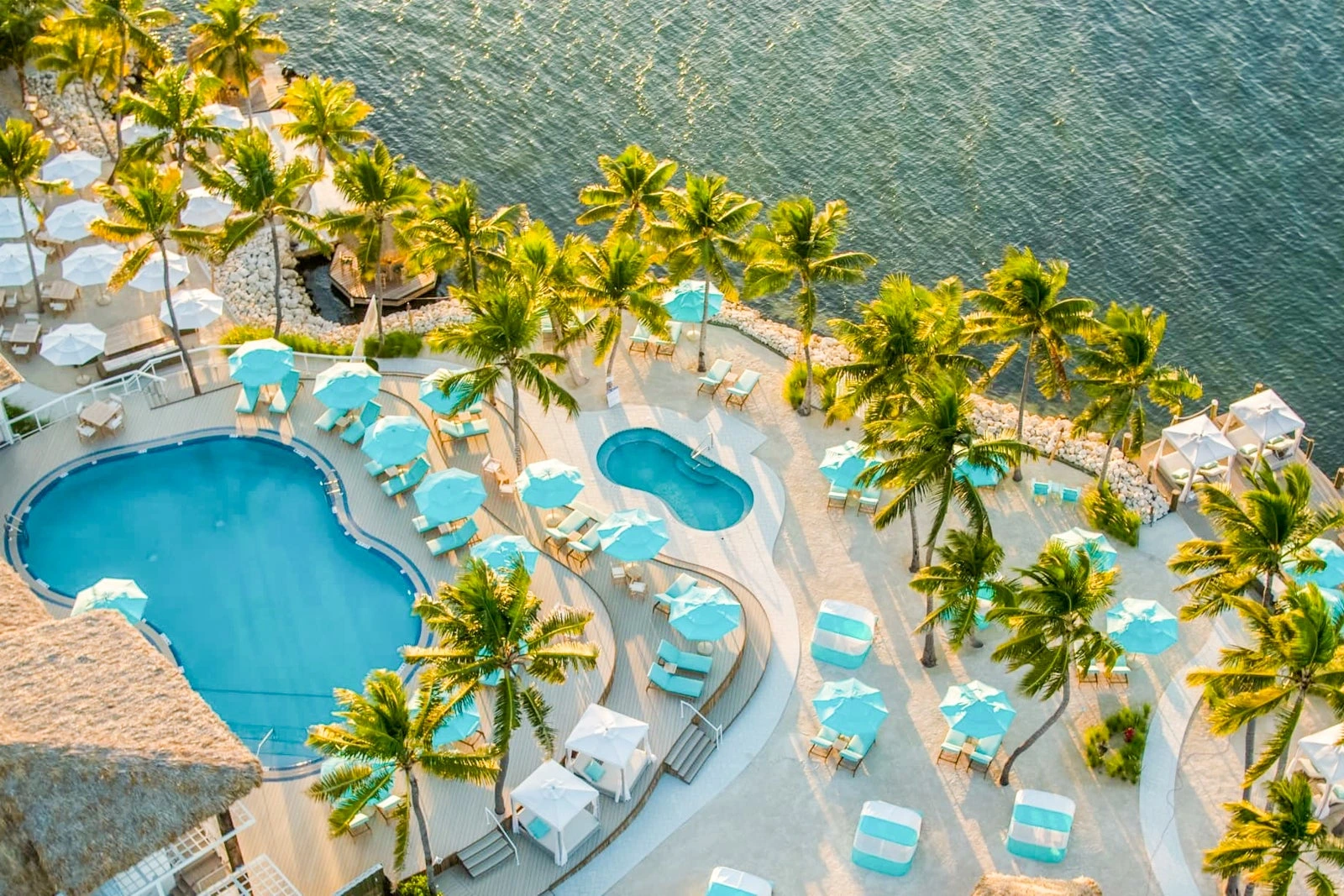
| The Tropical Enclave | Florida Keys | Relaxed, “Old Florida” | Intimate vs. Limited sand space |
| The Multi-Gen Hub | Orlando (Nearby), Maui | High-activity, Pools | Extensive amenities vs. High noise |
Decision Logic: If the priority is “Acoustic Silence,” avoid the “Multi-Gen Hub” during school breaks. If the priority is “Ocean Access,” avoid the “Cliffside Modern,” where you may need to take a funicular or a long staircase to reach the water.
Detailed Real-World Scenarios
The “Waikiki Mirror”
A traveler seeks the quintessential Hawaii experience at The Royal Hawaiian.
-
The Constraint: The beach is public and high-density.
-
The Strategy: Using the hotel’s “Private Beach Club” cordoned-off area to maintain a “Psychological Barrier” from the crowds.
-
Failure Mode: Expecting a “Quiet Sunset.” In Waikiki, the sunset is a “Social Event.”
The “Lowcountry” Logistics
A family drives to Wild Dunes Resort in South Carolina.
-
The Constraint: The resort is a massive “Residential-Style” complex.
-
The Strategy: Selecting the Sweetgrass Inn for a “Hotel Experience” or a “Boardwalk Inn” villa for more space.
-
Failure Mode: Underestimating the “Logistical Drag” of a large resort. You may need bikes to reach the best dining options.
The “Terranea” Micro-Climate
A guest stays at Terranea Resort on the Palos Verdes Peninsula.
-
The Constraint: The “June Gloom” (persistent fog) of the California coast.
-
The Strategy: Utilizing the “Cliffside Hiking” and “Falconry” programs during the morning fog, saving pool time for the afternoon “Burn-Off.”
-
Result: A diverse stay that isn’t dependent solely on “Sun Exposure.”
Planning, Cost, and Resource Dynamics
The “Economic Engine” of a luxury beachfront resort is incredibly expensive to operate, which is reflected in the pricing.
Range-Based Resource Estimation (7-Day Stay, 2 Adults)
| Tier | Estimated Total Spend | Revenue Per Available Room (RevPAR) Context | Key Driver |
| Premium Domestic | $5,000 – $8,000 | $400 – $600 | Accessibility/Mid-Scale |
| Ultra-Luxury Flagship | $12,000 – $25,000 | $900 – $1,500+ | Exclusivity/Service Ratio |
| Private Island/Enclave | $40,000+ | $3,000+ | Privacy/Customization |
Direct vs. Indirect Costs: A $1,200/night room in Hawaii may seem expensive, but the “Indirect Saving” of staying at a flagship is the “Zero-Friction” access to high-end dining and activities. Conversely, a “Value” resort 2 miles from the beach carries the “Time Cost” of parking and logistics, which can consume 20% of your waking vacation hours.
Tools, Strategies, and Support Systems
To navigate the US beachfront market with authority, use these “Logistics Buffers”:
-
NOAA Coastal Tide Tables: Essential for California and Carolina beaches, where the “Beach Width” can change by 50 feet between high and low tide.
-
“Preferred” Partner Programs (FHR/Virtuoso): Often provide $100 property credits and free breakfast, effectively neutralizing the “Resort Fee.”
-
Satellite Bathymetry Maps: Use these to see if the beach has a “Steep Drop” (dangerous for kids) or a “Long Shallow” (perfect for wading).
-
Resort-Specific Apps: Many flagships (e.g., Four Seasons) allow for “Text-Based Service,” meaning you can order a refill without leaving your beach chair.
-
The “Shoulder Season” Pivot: In Florida, the weeks between Thanksgiving and Christmas offer “Peak Service” at “Low-Season” rates.
-
Windy.com: Essential for the Atlantic coast to track “Onshore Winds,” which can bring in jellyfish or seaweed.
-
Local “Beach Renourishment” Logs: Check municipal websites to ensure your resort isn’t currently hosting a massive sand-pumping operation.
Risk Landscape: Taxonomy of Compounding Hazards
Operating or staying at a beachfront resort involves managing “Cascading Risks.”
-
“The Erosion Debt”: Many Florida resorts are built on “Borrowed Time.” A single hurricane can remove the entire beach, leaving the resort as a “Waterfront” property with no sand.
-
“Information Asymmetry”: The photos on the website were taken at high tide on a sunny day in 2019. The current reality may involve 100 feet of sargassum (seaweed) or a construction crane next door.
-
“The Resort Fee Trap”: In 2026, many US resorts have unbundled their pricing so aggressively that the “Advertised Rate” is a statistical fiction.
Governance, Maintenance, and Long-Term Adaptation
A “Generational” resortmanagess its “Asset Lifecycle” with precision.
-
Capital Improvement Cycles: A premier resort should undergo a “Soft Refresh” (carpet/linens) every 3 years and a “Hard Renovation” (bathrooms/infrastructure) every 7–10 years. If a property hasn’t been renovated since 2018, it is in “Functional Decay.”
-
Ecological Stewardship: Does the resort use “Turtle-Friendly” lighting? Do they have a “Dune Management” plan? These are leading indicators of a property that will still be there in 20 years.
-
The “Service Continuity” Check: Does the resort have high staff turnover? A flagship property is one where the “Beach Captain” or “Head Concierge” has been there for a decade.
Measurement, Tracking, and Evaluation
How do you determine if a resort is truly a “Flagship”?
-
“The Sand-to-Chair Ratio”: In the peak hour (11:00 AM), is there at least 10 feet of space between your umbrella and the next? If not, it’s a “Mass Market” experience.
-
“The Acoustic Floor”: Can you hear the conversation of the people three chairs over? High-tier resorts use “Spatial Acoustic Design” to ensure privacy.
-
“The Recovery Index”: When something goes wrong (a missed drink, a slow check-in), how fast and “Empowered” is the staff to fix it without “Managerial Escalation”?
Common Misconceptions and Oversimplifications
-
Myth: “Florida has the best beaches in the US.” Correction: Florida has the “Warmest” water, but for “Coastal Drama” and “Acoustic Purity,” the California or Oregon coast often wins.
-
Myth: “All-Inclusive is cheaper.” Correction: In the US, all-inclusive options are rare and often hide lower-quality F&B. “Pay-as-you-go” at a high-end resort often results in better quality.
-
Myth: “A ‘Private Beach’ means no public people.” Correction: In many states, the public has the right to walk along the water. The resort only owns the “Dry Sand” above the high-tide line.
-
Myth: “The higher the floor, the better the view.” Correction: On the beach, the “Perfect View” is often the 3rd or 4th floor—high enough to see over the palms, but low enough to hear the waves.
Conclusion
The quest for the best beachfront resorts in the US is ultimately a search for “Temporal and Spatial Harmony.” It is the moment where the “Built Environment” of luxury hospitality meets the “Unstructured Power” of the ocean. Success is not found in the gold-plated faucets of a room, but in the “Logistical Silence” of a day spent on the sand, supported by a “Service Architecture” that anticipates needs before they are articulated. As the American coastline continues to evolve under environmental and economic pressures, the true “Flagships” will be those that offer not just a view, but a “Sovereign Sanctuary” against the noise of the world.