Coastal Lifestyle Destinations USA: The 2026 Strategic Pillar
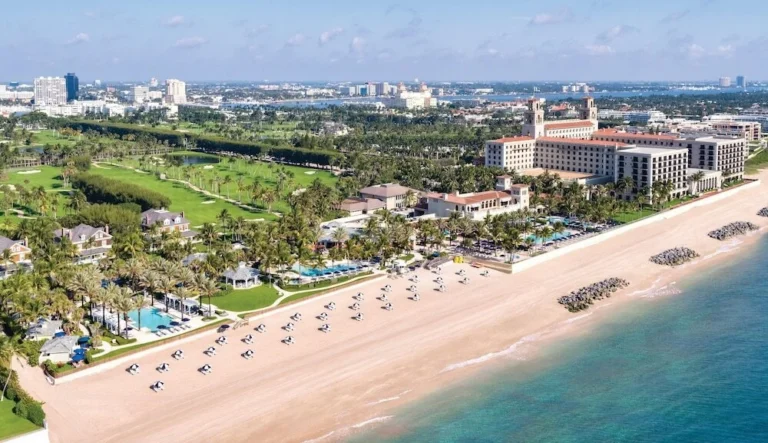
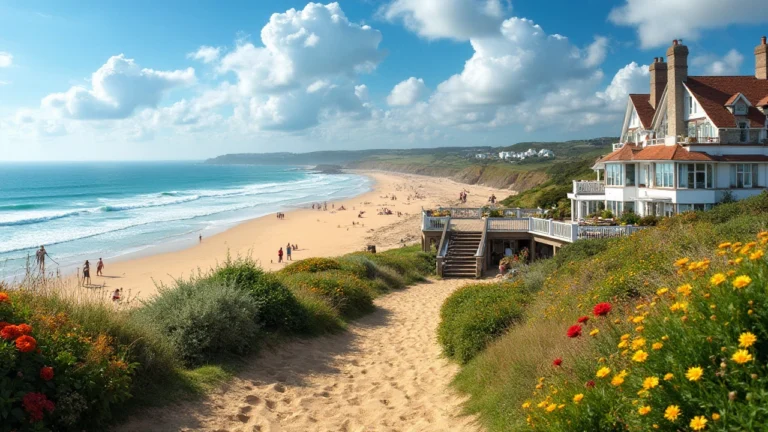
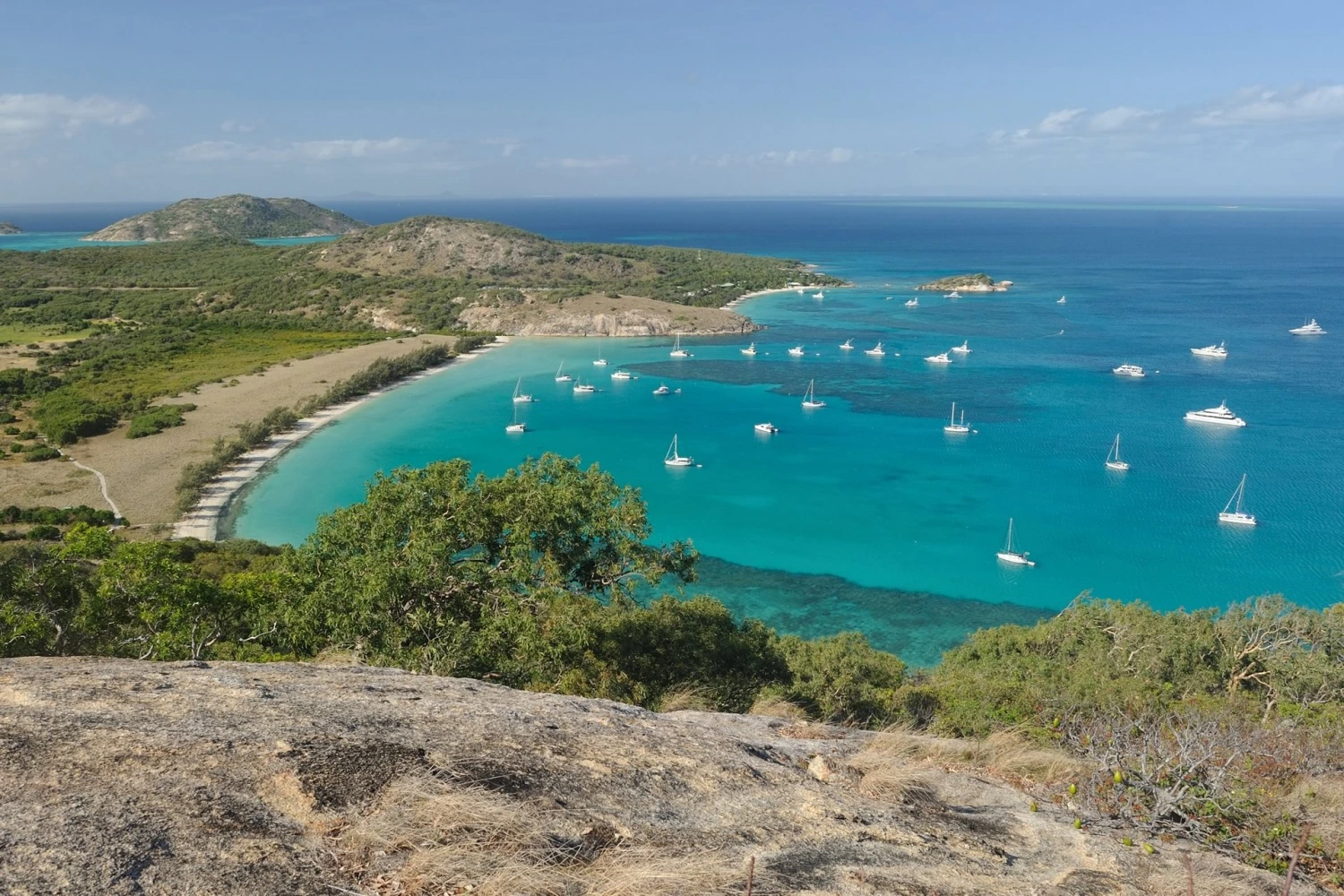
The American littoral identity is defined by a vast, divergent geography that spans from the glaciated fjords of the Pacific Northwest to the sun-bleached coral keys of the subtropics. Selecting a destination among the premier tier of domestic coastal hospitality is an exercise in discerning “Environmental Fit.” Unlike the homogenized resort models often found in international hubs, the domestic coastal landscape is frequently a product of localized historical preservation, strict environmental zoning, and a specific cultural ethos—be it the “Old Money” restraint of the Northeast or the “Pacific-Modern” minimalism of the West Coast.
In the contemporary landscape, the concept of a coastal destination has evolved into a complex operational category. It is no longer sufficient for a location to merely occupy a maritime zip code. To be considered an authority asset in the hospitality and lifestyle sector, a region must demonstrate “Hard-Sand Integration,” an architecture that respects the “Littoral Pulse,” and a service model that anticipates the specific logistical frictions of a maritime environment. This includes managing salt-air corrosion of luxury finishes, navigating public-access mandates, and maintaining a “Biological Barrier” that protects both the resident and the sensitive coastal dune systems.
This editorial audit serves as a definitive pillar for those who view travel and relocation as a strategic allocation of capital and time. We will deconstruct the systemic evolution of the American coast, analyze the “Risk-Reward” trade-offs of different oceanic regions, and apply mental models like “Geographic Scarcity” to identify genuine value. The objective is to transition from a passive recipient of travel marketing to an active auditor of the maritime experience. Whether navigating the high-yield markets of the Hawaiian Islands or the historic barrier islands of the Atlantic, this reference provides the analytical depth necessary to understand the mechanics of the American shoreline.
Understanding “coastal lifestyle destinations usa”
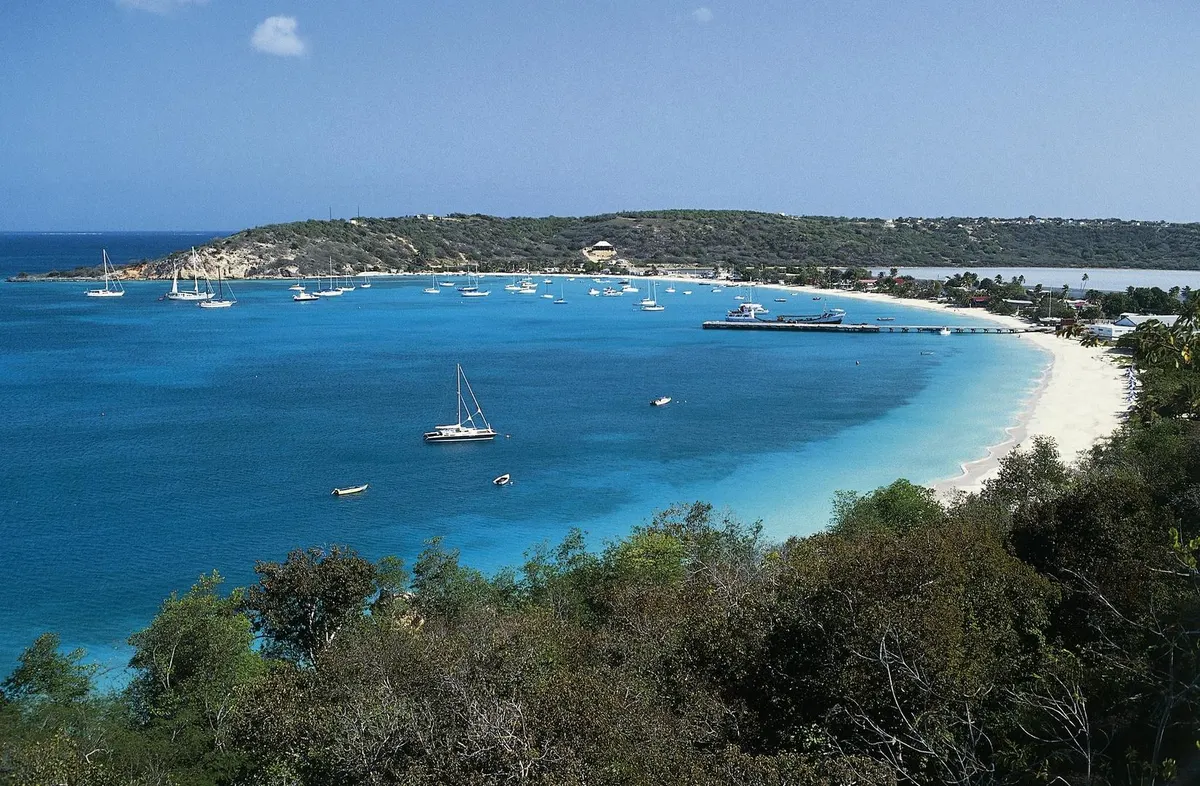
To effectively master the search for the coastal lifestyle destinations in the USA, one must first dismantle the “Visual-Tactile Fallacy.” This is the assumption that a stunning ocean view naturally equates to a high-quality maritime lifestyle. In reality, some of the most visually arresting properties in the U.S. are situated on “Inaccessible Bluffs” where the resident is physically separated from the water by hundreds of vertical feet or private-property restrictions. A true flagship destination resolves this through “Spatial Sovereignty”—providing either direct, private-access pathways to the tideline or a “Service Bridge” that eliminates the friction of public-beach logistics.
From a multi-perspective view, the “Best” destination is often a conflict between “Heritage” and “Hard-Asset Integrity.” In regions like New England, many of the premier coastal hubs are historic towns built in the late 19th century. While these offer unparalleled cultural weight, they often suffer from “Envelope Decay” due to a century of salt-air exposure. Conversely, newer developments in South Florida or Southern California offer superior “Climatic Control” and modern soundproofing but may lack the “Social Moat” and exclusive land rights held by legacy properties. Identifying the coastal lifestyle destinations in the USA requires an audit of the “Renovation Cycle”—ensuring that a historic label isn’t merely a mask for deferred maintenance.
Finally, we must address “The Public Trust Paradox.” In states like Hawaii or California, the beach is legally a public asset up to the high-water mark. A destination claiming “Exclusivity” in these regions is not selling the sand itself, but rather “Strategic Proximity” and “Amenity Density.” Learning to navigate the coastal lifestyle destinations in the USA involves identifying properties that use “Natural Topography”—coves, rocky points, or remote island locations—to create a de facto sense of privacy within a de jure public framework. The oversimplification risk here is equating “Luxury” with “Isolation,” when in fact the most sophisticated destinations are those that manage high-density public interfaces with such service precision that the resident never feels the intrusion.
Historical and Systemic Evolution of the American Shoreline
The American coastal destination was born from the 19th-century “Sanatorium Movement.” Originally, maritime stays were not for leisure but for “Climatic Therapy,” where the affluent would flee the industrial smog of the cities for the curative properties of salt air and seawater. Properties like the early iterations of Sea Island or the grand hotels of Cape May were designed as “Total Environments”—self-contained social ecosystems where the elite could spend entire seasons. These were “Grand Hotels” in the European sense, emphasizing formal dining, ballroom culture, and a rigid social hierarchy.
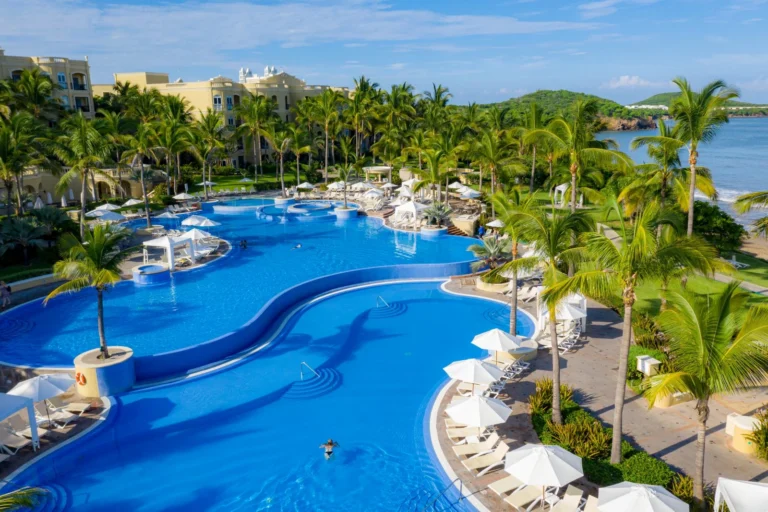
The mid-20th century “Aviation Pivot” disrupted this model, democratizing coastal access and introducing the “Mega-Resort.” As jet travel made the Hawaiian Islands and the Florida Keys accessible to the middle class, the “Single-Structure” hotel was replaced by the “Master-Planned Community.” This era saw the introduction of massive pool complexes, lagoons, and “Engineered Nature,” where the destination was no longer a platform for viewing the ocean but a rival to it. This led to a “Homogenization of the Coast,” where a resort in Maui began to look and function much like one in Palm Beach.
By 2026, we will have entered the “Restorative Integrity” era. The most prestigious new developments eschew the “Mega-Resort” aesthetic in favor of “Biophilic Design.” This systemic shift prioritizes “Low-Impact Luxury”—villas that disappear into the dunes, LEED-certified water management systems, and a return to “Hyper-Localism.” The consumer no longer wants a standardized experience; they want to feel the “Geographic Specificity” of the Outer Banks or the Big Sur coastline. The evolution of the American resort is a transition from “Sanatorium” to “Theater” to “Ecological Sanctuary.”
Conceptual Frameworks and Mental Models
To evaluate the coastal lifestyle destinations in the USA with professional rigor, one must apply frameworks that filter out marketing “Noise.”
1. The “Littoral Rights” Matrix
This model assesses the degree of control a destination has over its aquatic interface.
-
Zone 1: De Jure Private. (Rare, mostly in the Northeast or private islands). The entity owns the sand.
-
Zone 2: De Facto Private. The destination is so remote or topographically isolated that the public cannot practically reach it.
-
Zone 3: Managed Public. The destination shares the beach but controls the “Service Layer” (chairs, umbrellas, staff).
2. The “Atmospheric Refraction” Model
Sound travels differently over water. A destination that looks peaceful on a map may be an “Acoustic Trap” if it is situated in a U-shape around a high-energy surf break. This framework requires the auditor to check “Building Orientation” and “Dune Mass” to ensure the rhythmic sound of waves doesn’t become “White Noise Exhaustion.”
3. The “Asset-to-Guest” (AtG) Ratio
Flagship status is determined by the “Spatial Allocation” per person. A luxury destination should provide at least 200 square feet of “Private Beach/Pool Space” per occupant. If you find yourself in a “Towel War” for a lounge chair at 9:00 AM, the destination’s operational integrity has failed, regardless of its ADR (Average Daily Rate) or property value.
Key Categories of Maritime Environments and Trade-offs
Identifying the “Environment Category” allows for a more targeted allocation of capital.
| Category | Primary Hazard | Tactical Advantage | Core Trade-off |
| Northeast Legacy | Cold water; Aging assets | Historic prestige; Cultural depth | Charm vs. Modernity |
| South Florida High-Rise | High density; Hurricanes | 24/7 Service; Tropical climate | Energy vs. Privacy |
| West Coast Bluff | Erosion; Marine layer fog | Dramatic vistas; Cool air | Visuals vs. Water access |
| Barrier Island Club | Storm surge; Logistics | Multi-gen stability; Space | Exclusivity vs. Travel time |
| Hawaiian Enclave | Remote location; High RPM | Pristine ecology; Unique vibe | Beauty vs. Expense |
| Great Lakes Coast | Seasonal limits: Fresh water | Unique “Non-Salt” feel; Calm | Novelty vs. Ocean energy |
Decision Logic: If the priority is “Acoustic Silence,” avoid high-rise tropical hubs during peak seasonal windows. If the priority is “Aquatic Interaction” (snorkeling/swimming), the Northeast and West Coast bluff categories are often “Visual Only” due to thermal limits.
Detailed Real-World Scenarios
The “Hamptons” Logistical Failure
A strategist looks for a premier property in Montauk for “Seclusion.”
-
The Constraint: There is only one main road (Route 27) in and out.
-
The Outcome: The “Travel-to-Relax” ratio is compromised by a 4-hour traffic jam.
-
The Resolution: Selecting a property with “On-Site Transport” (e.g., a private shuttle or boat) or booking “Tuesday-to-Tuesday” to avoid the “Weekend Surge” logistics.
The “Sea Island” Multi-Generational Audit
A family seeks a “Legacy” experience in a Georgia barrier island.
-
The Strategy: Utilizing a “Club” structure to separate activities—children at a beach club, while adults utilize a river club.
-
Second-Order Effect: Because the resort is so expensive, it requires “Intra-Resort Logistics” (bicycles or carts), which adds a layer of “Planning Friction” that must be managed.
The “Big Sur” Coastal Fog
A resident moves to the Central Coast for the Pacific views.
-
The Failure: They arrive during a “Marine Layer” event (June Gloom) where the ocean is invisible for weeks.
-
The Resolution: A flagship lifestyle here must include “In-Land Alternatives” (redwood hiking/spa) so the experience isn’t dependent on “Visual Visibility.”
Planning, Cost, and Resource Dynamics
The “Economic Engine” of the coastal lifestyle destinations in the USA is significantly more expensive than inland luxury due to the “Maintenance Premium.”
Range-Based Resource Estimation (7-Day Stay, 2 Adults)
| Tier | Estimated Total Spend | Revenue Per Room (RevPAR) | Critical Factor |
| Premium Coastal | $4,500 – $7,500 | $350 – $550 | Location / Convenience |
| Luxury Flagship | $10,000 – $18,000 | $800 – $1,200 | Service Ratio / Exclusivity |
| Ultra-Private / Island | $30,000+ | $2,500+ | Scarcity / Security |
Direct vs. Indirect Costs: A high-end room in a remote part of Kauai may seem expensive, but the “Indirect Cost” of a “Cheap” beachfront hotel in a crowded part of Oahu—measured in parking fees, beach-chair rentals, and “Time Waste” in lines—often makes the flagship a more efficient allocation of capital.
Tools, Strategies, and Support Systems
To navigate the domestic coastal market with authority, utilize the “Audit Stack”:
-
Satellite Bathymetry Maps: Use these to see if a beach has a “Steep Drop” (better for waves) or a “Long Shallow” (better for swimming).
-
NOAA Tide & Current Trackers: Essential for “Cove-Based” locations in California, where the beach can physically disappear at high tide.
-
“Incognito” Satellite Audits: Use Google Earth to check for “Recent Construction” on adjacent lots. Many destinations will not disclose a neighboring crane.
-
Preferred Partner Programs: These often provide credits and free breakfast, which effectively neutralizes the “Resort Fee” tax.
-
Windy.com: To track “Onshore Winds.” An onshore wind brings in cooler air but also brings in “Sargassum” (seaweed) and jellyfish.
-
The “Concierge Direct” Inquiry: Ask: “What was the measured width of the dry sand at high tide this morning?” This forces a factual rather than a marketing response.
Risk Landscape: Taxonomy of Compounding Hazards
Coastal lifestyle is subject to “Atmospheric Volatility” that does not exist in urban settings.
-
Environmental Degradation: “Red Tide” (algal blooms) can make the air irritating to the lungs and the water dangerous for swimming, particularly in the Gulf of Mexico.
-
Asset Decay: “Micro-Pitting” on hardware and “Spalling” on concrete are constant risks. If a destination hasn’t had a “Soft-Goods Refresh” in 3 years, the salt air has likely compromised the interior quality.
-
Information Asymmetry: The photos on the website were taken at the perfect tide, in the perfect season, years ago. The current “Beach Profile” may be significantly different due to winter storms.
Governance, Maintenance, and Long-Term Adaptation
A “Generational” destination manages its “Asset Lifecycle” with precision.
-
The Seven-Year Itch: A premier property must undergo a full “Hard-Goods” renovation every 7 years. When evaluating a property, ask for the date of the last “Full Room Renovation.”
-
Ecological Stewardship: In 2026, “Luxury” is increasingly defined by the ability to protect the asset. Does the destination use “Turtle-Friendly” lighting? Do they participate in “Dune Management”?
-
Service Continuity: High staff turnover is the “Lagging Indicator” of a failing hotel or club. A flagship property is one where the “Beach Captain” or “Head Concierge” has been in place for a decade.
Measurement, Tracking, and Evaluation
How do you determine if a destination is truly a “Flagship”?
-
The “Sand-to-Chair Ratio”: In the peak hour, is there at least 15 feet of space between your umbrella and the next?
-
The “Acoustic Floor”: Can you hear the conversation of the people three chairs over? High-tier destinations use “Spatial Acoustic Design” to ensure privacy.
-
The “Recovery” Test: When something goes wrong (a storm, a missed drink), how “Empowered” is the staff to fix it without “Managerial Escalation”?
Common Misconceptions and Oversimplifications
-
Myth: “The water is always blue in Florida.” Correction: Water color is a function of “Suspended Solids.” After a storm, even the “best” beaches turn brown.
-
Myth: “All-Inclusive is a good deal in the US.” Correction: In the US, all-inclusive models often result in lower-quality food and “Captured Consumer” pricing.
-
Myth: “Private Beaches are truly private.” Correction: In almost every US state, the “Wet Sand” belongs to the public. You are paying for “Dry Sand” exclusivity.
-
Myth: “Summer is the best time for a seaside stay.” Correction: For the Southeast, summer is “Hurricane Season” and “Humidity Peak.” Fall is often the “Golden Window.”
Conclusion
The selection of the coastal lifestyle destinations in the USA is ultimately a search for “Atmospheric Harmony.” It is the moment where the “Built Environment” of luxury hospitality meets the “Unstructured Power” of the ocean. Success is not found in the gold-plated faucets of a room, but in the “Logistical Silence” of an experience where every environmental friction—from salt to sound—has been professionally managed. As the American coastline continues to evolve under climatic and economic pressures, the true “Flagships” will be those that offer not just a view, but a “Sovereign Sanctuary” against the noise of the world.