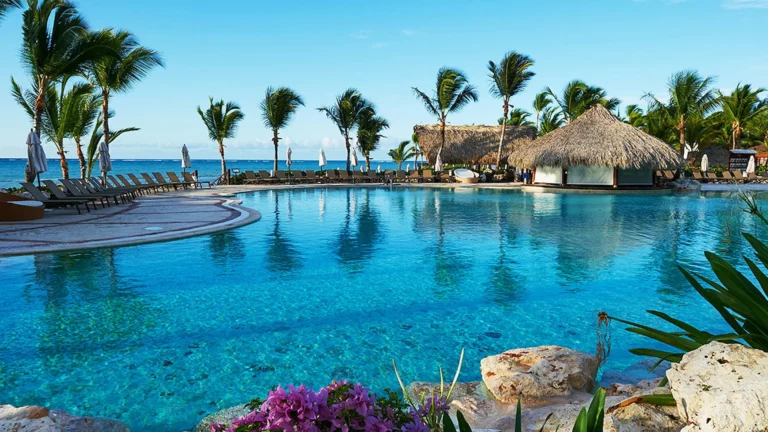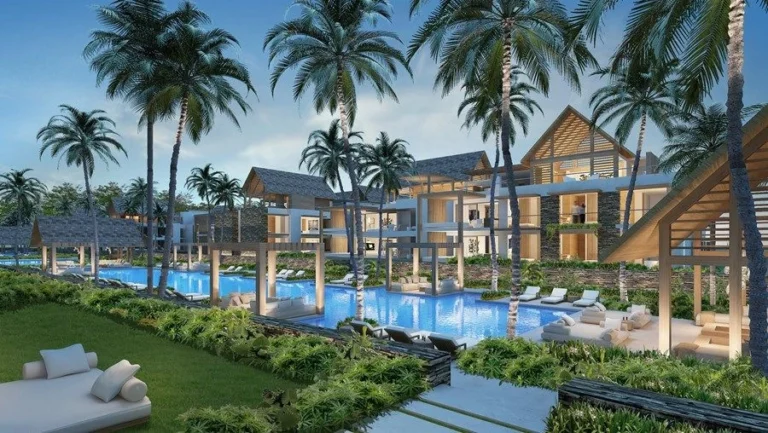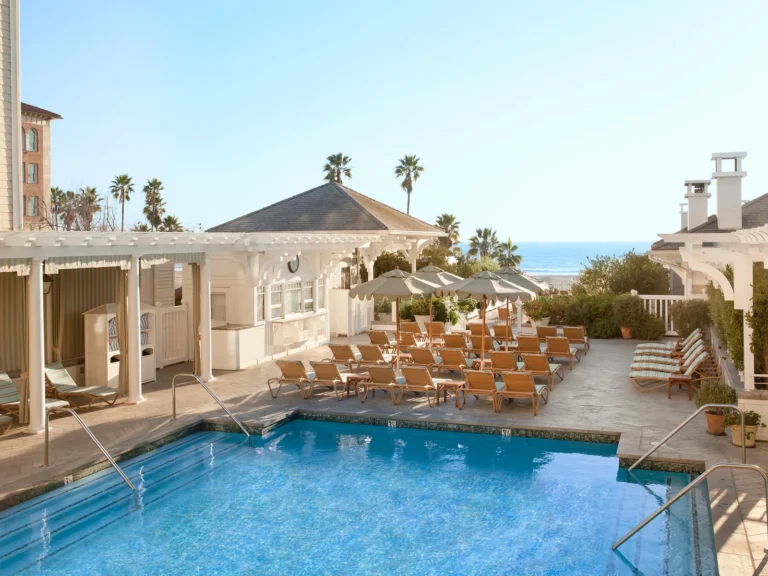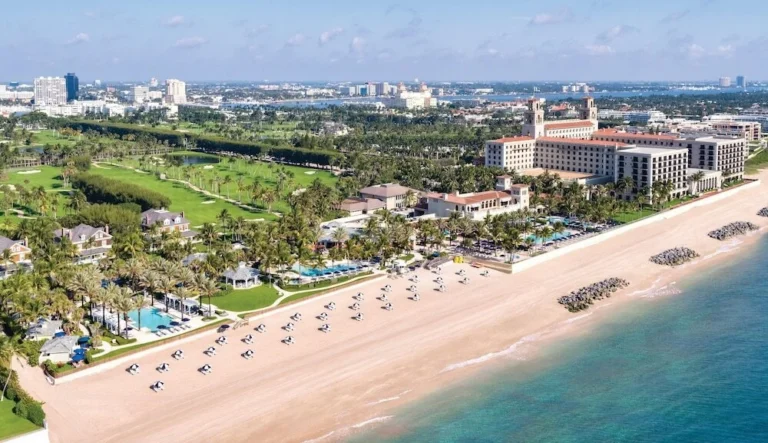
Luxury Tropical Retreats America: The 2026 Editorial Pillar
The definition of “tropical” within the American domestic context is a study in geographic nuance and climatic boundaries. While the continental United States largely occupies temperate zones, the presence of the Hawaiian archipelago, the Florida Keys, and various territories creates a fragmented but robust ecosystem of high-thermal, high-humidity environments. Selecting a destination in this category is not merely a search for sun; it is an exercise in matching a traveler’s specific “Atmospheric Tolerance” to a property’s “Ecological Integration.” The domestic market for these high-end enclaves is driven by a unique convergence of strict environmental regulations and an intense demand for “Frictionless Isolation.”
In the current landscape, the “Retreat” designation has undergone a rigorous redefinition. It no longer suffices to offer a manicured beach and a high thread count. The modern discerning traveler seeks “Biophilic Immersion”—the ability to experience the native flora and fauna of a tropical environment without the logistical degradations often associated with remote travel. This shift toward “Seamless Ecological Access” has elevated a select group of properties that have successfully secured exclusive rights to the nation’s most sensitive littoral zones while maintaining the operational complexity of a five-star urban flagship.
This editorial audit serves as a definitive pillar for those who view travel as a strategic allocation of time and capital. We will deconstruct the systemic evolution of the American tropical resort, analyze the “Yield Management” models that govern seasonal pricing, and apply mental models like “Geographic Scarcity” to identify genuine value. The objective is to move beyond the superficiality of typical travel lists and toward a profound understanding of what constitutes a “Hardened Asset” in the hospitality sector. Whether navigating the volcanic drama of the Kohala Coast or the coral-fringed islands of the Atlantic, this reference provides the analytical depth necessary to master the domestic tropics.
Understanding “luxury tropical retreats america”
To define the luxury tropical retreats America provides, one must move past the “Visual Aesthetic” and toward a “Service Architecture” audit. A common misunderstanding is that a higher price point naturally equates to a superior tropical experience. In reality, some of the most expensive properties in the United States suffer from “Atmospheric Compression”—where the physical sand or jungle is disappearing due to erosion or over-development, leaving guests crowded into narrow strips of land. Managing the selection of these properties requires a “Geomorphological View,” assessing the health of the local reef system or the thickness of the canopy before committing to a stay.
From a multi-perspective view, the “Best” retreat is often a conflict between “Seclusion” and “Accessibility.” A property in the Florida Keys may offer unparalleled historic charm and ease of access via a domestic drive, yet it sacrifices the “Acoustic Purity” and volcanic drama found at a remote enclave in Maui or Kauai. The oversimplification risk here is the “All-Inclusive Bias.” While international markets thrive on all-inclusive models, the US market is largely “A La Carte.” This means a “low” base rate at a premier resort can easily double once “Resort Fees,” valet parking, and beach-club service are factored into the final ledger.
Finally, we must address the “Zoning Ceiling.” In Hawaii and parts of Florida, strict environmental regulations prevent the construction of new beachfront or jungle-adjacent properties. This creates a “Moat” around existing resorts, allowing them to maintain high ADR (Average Daily Rate) even without significant innovations. Truly identifying the luxury tropical retreats America offers involves looking for those that have invested in “Capital Improvements” rather than relying solely on their legacy location. A retreat that maintains its own desalination plant or an active reef-restoration program is a “Hardened Asset” that will provide a consistent experience regardless of municipal infrastructure failures.
The Historical and Systemic Evolution of the Domestic Tropics
The American relationship with tropical luxury began as a “Climatic Necessity.” In the early 20th century, the “Sanatorium Movement” led the elite to seek out the Florida coast for its perceived curative properties. Properties like The Breakers set the precedent for “Grand Colonial” architecture in a sub-tropical setting. However, these were largely “Passive Environments”—they sat by the sea but did little to integrate the ecosystem into the guest experience beyond providing a view from a climate-controlled ballroom.
The mid-20th century “Aviation Pivot” disrupted this model, democratizing the Pacific. As jet travel became accessible, the “Mega-Resort” was pioneered in Hawaii. This era saw the rise of “Engineered Environments,” where massive lagoons, exotic wildlife, and elaborate pool systems were constructed to rival the natural beach. The tropical retreat was no longer just a place to stay; it was a “Self-Contained Ecosystem” designed to minimize the guest’s exposure to the actual logistical friction of the tropics.
Today, we are witnessing a return to “Authentic Minimalism.” The most prestigious new developments eschew the “Water Park” aesthetic in favor of “Biophilic Design,” where the architecture disappears into the palms. There is a systemic shift toward “Regenerative Travel,” where the resort’s value is tied to its stewardship of the local environment. The history of the US tropical resort is a journey from the “Social Stage” of the 1920s to the “Technological Hub” of the 1980s, and finally to the “Ecological Sanctuary” of the present day.
Conceptual Frameworks and Mental Models
Authoritative selection relies on frameworks that filter out the noise of standard travel marketing.
1. The “Littoral Rights” Model
In the US, beach ownership is complex. Some states (like Hawaii) have no private beaches; others (like Florida) allow for “Mean High Tide” ownership. When evaluating a retreat, use the “Lateral Access” model. Does the property have a “Public Access Path” running through the center? A truly high-tier resort will be located in a “Geographical Dead-End,” where public access is naturally limited by terrain, providing “De Facto” privacy without violating state laws.
2. The “Atmospheric Lag” Mental Model
The “Tropical Experience” is often a victim of its own success. Use this model to assess “Density-Dependent Degradation.” If a resort has 500 rooms but only one private cove, the “Atmospheric Lag”—the time it takes for a guest to feel truly isolated from the crowd—increases significantly. The best retreats maintain a “Space-per-Guest” ratio that allows for immediate psychological decompression upon arrival.
3. The “Service-to-Guest” (StG) Metric
A flagship retreat should maintain a staff-to-guest ratio of at least 1:2.5. In a tropical environment, “Service Decay” happens faster due to heat and humidity. If you see a crowded “Towel Stand” or have to wait more than 10 minutes for a “Beachside Beverage,” the property’s “Service Architecture” has failed to adapt to the environmental stressors.
Key Categories of Tropical Retreats and Trade-offs
The domestic market is segmented into several distinct “Terrains,” each with its own logistical profile.
| Category | Typical Location | Aesthetic/Vibe | Core Trade-off |
| Volcanic Enclave | Big Island, HI | Dramatic, Mineral | Stunning vistas vs. Limited sandy beach |
| Coral Key | Florida Keys | Relaxed, “Old Florida” | Intimate feel vs. Significant humidity |
| Garden Isle Sanctuary | Kauai, HI | Lush, Primitive | Total seclusion vs. High rainfall risk |
| Atlantic Barrier | Amelia Island, FL | Sophisticated, Calm | Stable climate vs. Less “Tropical” feel |
| Territorial Outpost | US Virgin Islands | Caribbean, Vibrant | Traditional tropics vs. Complex logistics |
Decision Logic: If the priority is “Acoustic Silence,” avoid the “Coral Key” during peak boating seasons. If the priority is “Aquatic Interaction” (snorkeling/diving), the “Volcanic Enclave” or “Territorial Outpost” provides superior water clarity compared to the silt-heavy Atlantic barriers.
Detailed Real-World Scenarios
The “Lanai” Logistics
A traveler seeks the ultimate isolation at Sensei Lanai.
-
The Constraint: The island is privately owned, making it an “Engineered Eden.”
-
The Strategy: Utilizing the resort’s private air transfer to bypass the “Friction” of Honolulu International.
-
Failure Mode: Expecting a “Beachfront” experience. Sensei is inland; one must shuttle to the sister property for sand access.
The “Keys” Micro-Climate
A guest stays at Little Palm Island in the Florida Keys.
-
The Constraint: The property is accessible only by boat.
-
The Strategy: Using the “Isolation Buffer” of the water to justify the high price point.
-
Failure Mode: Underestimating the “No-See-Um” (biting midge) population. Tropical luxury is still subject to biological reality; sunset on the beach requires chemical or physical protection.
The “Kauai” Rainfall Paradox
A traveler plans a week on the North Shore of Kauai.
-
The Constraint: It is one of the wettest places on earth.
-
The Strategy: Building a “Split-Silo” itinerary that allows for “Wet-Weather Luxury” (spa, interior dining) without the frustration of cancelled outdoor activities.
-
Result: A diverse stay that isn’t dependent solely on “Sun Exposure.”
Planning, Cost, and Resource Dynamics
The “Economic Engine” of a luxury tropical retreat is incredibly expensive to operate, which is reflected in the pricing architecture.
Range-Based Resource Estimation (7-Day Stay, 2 Adults)
| Tier | Estimated Total Spend | Revenue Per Available Room (RevPAR) Context | Key Driver |
| Upper-Premium Domestic | $6,000 – $9,000 | $400 – $600 | Accessibility / Mid-Scale |
| Ultra-Luxury Flagship | $15,000 – $28,000 | $1,000 – $1,800+ | Exclusivity / Service Ratio |
| Private Enclave / Island | $45,000+ | $3,500+ | Privacy / Customization |
Direct vs. Indirect Costs: A $1,500/night room in Hawaii may seem expensive, but the “Indirect Saving” of staying at a flagship is the “Zero-Friction” access to high-end dining and activities. Conversely, a “Value” resort located 5 miles from the beach carries the “Time Cost” of parking and logistics, which can consume 20% of your waking vacation hours.
Tools, Strategies, and Support Systems
To navigate the domestic tropical market with authority, use these “Logistics Buffers”:
-
NOAA Tidal Tables: Essential for “Key” and “Island” beaches where a 2-foot tide change can eliminate the “Dry Sand” area.
-
“Preferred” Partner Programs (Virtuoso/FHR): Often provide $100 property credits and free breakfast, effectively neutralizing the “Resort Fee” tax.
-
Satellite Bathymetry Maps: Use these to see if the beach has a “Steep Drop” (dangerous for children) or a “Long Shallow” (perfect for wading).
-
Resort-Specific Apps: Many flagships (e.g., Four Seasons) allow for “Text-Based Service,” meaning you can order a refill or a shuttle without leaving your beach chair.
-
Windy.com: Essential for tracking “Onshore Winds,” which can bring in jellyfish or seaweed blooms.
-
Sargassum Trackers: For Florida and the Caribbean, these provide a 48-hour forecast of seaweed mass, allowing you to pivot your beach days.
Risk Landscape: Taxonomy of Compounding Hazards
Operating or staying at a tropical retreat involves managing “Cascading Risks.”
-
“The Erosion Debt”: Many Florida retreats are built on “Borrowed Time.” A single hurricane can remove the entire beach, leaving the resort as a “Waterfront” property with no sand.
-
“Atmospheric Corrosion”: Luxury finishes (brass, marble, electronics) degrade 4x faster in tropical air. If a resort hasn’t had a “Soft-Goods Refresh” in 3 years, the “Tactical Quality” of the room will be compromised.
-
“Single-Point Failure”: Many remote retreats rely on a single road or boat ferry. A mudslide or mechanical failure can turn a sanctuary into a logistical trap.
Governance, Maintenance, and Long-Term Adaptation
A “Generational” retreat manages its “Asset Lifecycle” with precision.
-
Capital Improvement Cycles: A premier retreat should undergo a “Soft Refresh” every 3 years and a “Hard Renovation” every 7–10 years.
-
Ecological Stewardship: Does the resort use “Turtle-Friendly” lighting? Do they have a “Dune Management” plan? These are leading indicators of a property that will remain a viable luxury asset for the next 20 years.
-
The “Service Continuity” Check: Does the resort have high staff turnover? A flagship property is one where the “Beach Captain” or “Head Concierge” has been in place for a decade.
Measurement, Tracking, and Evaluation
How do you determine if a retreat is truly a “Flagship”?
-
“The Sand-to-Chair Ratio”: In the peak hour (11:00 AM), is there at least 15 feet of space between your umbrella and the next?
-
“The Acoustic Floor”: Can you hear the conversation of the people three chairs over? High-tier retreats use “Spatial Acoustic Design” to ensure privacy.
-
“The Recovery Index”: When something goes wrong (a missed drink, a slow check-in), how “Empowered” is the staff to fix it without “Managerial Escalation”?
Common Misconceptions and Oversimplifications
-
Myth: “The water is always blue in the tropics.” Correction: Water color is a function of “Suspended Solids.” After a storm, even the “best” beaches turn brown.
-
Myth: “All-Inclusive is a better deal.” Correction: In the US, all-inclusive options are rare and often hide lower-quality F&B (Food and Beverage).
-
Myth: “Private Beaches are truly private.” Correction: In Hawaii, the public has the right to walk along the water. The resort only owns the “Dry Sand.”
-
Myth: “Summer is the best time for the beach.” Correction: For the Southeast, summer is “Hurricane Season” and “Humidity Peak.” Fall is often the “Golden Window.”
-
Myth: “Luxury means no bugs.” Correction: Tropical ecosystems are biologically dense. “Luxury” means the management manages the population, but complete elimination is an ecological impossibility.
Conclusion
The quest for the luxury tropical retreats America provides is ultimately a search for “Atmospheric Harmony.” It is the moment where the “Built Environment” of luxury hospitality meets the “Unstructured Power” of the tropical ecosystem. Success does not lie in a room’s gold-plated faucets; it stems from the ‘Logistical Silence’ of a day on the sand. A superior ‘Service Architecture’ drives this experience by anticipating needs before a guest even articulates them. As the American coastline continues to evolve under environmental and economic pressures, the true “Flagships” will be those that offer not just a view, but a “Sovereign Sanctuary” against the noise of the world.