How to Manage Sand in Hotel Rooms: The 2026 Authority Guide
The physics of a beach environment ensure that granular silica—commonly referred to as sand—functions as a highly invasive and persistent contaminant within the context of hospitality infrastructure. While a coastal retreat relies on its proximity to the shore, the transition from the natural shoreline to the sanitized interior represents a significant logistical failure point. Developers often struggle to bridge this gap, allowing environmental contaminants to compromise the very luxury they aim to provide. Sand is not merely a nuisance; it acts as a micro-abrasive that degrades textiles, compromises the integrity of electronic hardware, and diminishes the perceived hygienic quality of a living space.
Managing this particulate intrusion requires an understanding of fluid dynamics and static electricity. Sand adheres to human skin and synthetic fibers through a combination of surface tension, moisture, and mechanical interlocking. Once introduced into a climate-controlled hotel environment, the reduction in humidity often causes these particles to detach from their original carriers, only to be redistributed by the room’s ventilation systems or foot traffic. Consequently, what begins as a localized issue at the entryway often evolves into a pervasive structural contamination that affects bedding, upholstery, and bathroom surfaces.
For the traveler and the property manager alike, the objective is to establish a series of filtration layers that minimize the “mass transport” of sand from the exterior to the interior. This process is rarely successful through sheer willpower or occasional cleaning; instead, it demands a systemic approach based on pre-emptive containment and specialized removal techniques. By analyzing the behavior of various sand types—from the heavy, quartz-rich grains of the Atlantic to the fine, volcanic ash of the Pacific—we can develop a robust methodology for maintaining environmental purity within coastal accommodations.
Understanding “how to manage sand in hotel rooms”
To effectively master how to manage sand in hotel rooms, one must view the hotel suite as a pressurized “clean room” environment under constant threat from external particulates. The common misunderstanding is that sand management begins at the hotel door. In reality, successful mitigation starts at the water’s edge. If the primary carrier—the human body or beach equipment—is not decontaminated before reaching the building’s threshold, the battle for the room’s interior is already lost.
The complexity of this task is often oversimplified into “shaking out towels.” However, sand grains vary in size from $0.0625$ mm to $2$ mm, and their behavior changes depending on their mineral composition. For example, oolitic sand, common in the Bahamas, is highly porous and retains moisture longer than quartz sand, making it more likely to “clump” and hide in the seams of swimsuits or the treads of sandals. To manage these risks, one must account for the “Sand Transfer Gradient”—the predictable path sand takes from the beach, into the car or shuttle, through the lobby, and finally into the fibers of the hotel carpet.
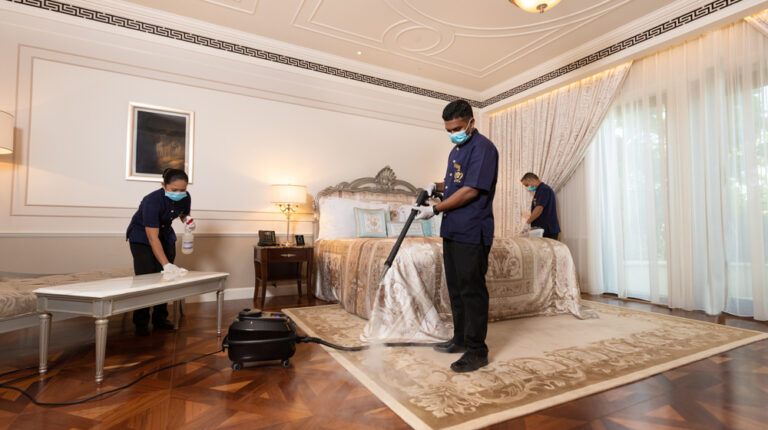
Oversimplification risks are significant here. Many travelers assume that the daily housekeeping service will resolve any sand accumulation. This ignores the “Secondary Distribution” effect: when a vacuum cleaner or broom moves over a sandy surface without the correct filtration or suction power, it often lofts finer dust into the air, where it settles on high-touch surfaces like nightstands and remote controls. Therefore, managing sand is less about cleaning and more about a rigorous protocol of “Zone Isolation,” where the hotel room is divided into “Dirty,” “Transition,” and “Sterile” areas.
The Systemic Evolution of Coastal Cleanliness
The history of managing coastal environments within architecture is a narrative of technological adaptation. In the early 20th century, grand seaside hotels relied on “Sand Porches” and mudrooms—physical architectural buffers that forced a change of footwear and clothing before guests entered the main parlors. These zones were designed for manual brushing and air-drying, recognizing that time and gravity are the most effective tools for sand removal.
As the 1970s and 80s hospitality industry chased ‘seamless’ indoor-outdoor living, developers often removed these buffers to achieve aesthetic continuity. This created a systemic failure: eliminating the transition zone allowed sand to migrate directly onto plush carpeting and upholstered furniture—materials never designed to withstand abrasive contaminants. The result was a rapid “Aging Acceleration” of hotel assets. Property managers began to notice that carpets in beachfront rooms had a lifespan 40% shorter than those in urban hotels due to the grinding action of sand against nylon fibers.
In the contemporary era, the evolution has returned to a technology-driven version of the mudroom. Modern luxury resorts now integrate high-pressure air hoses, foot-wash stations with specialized drainage, and “dry-vac” zones at entry points. We have moved from a reactive model (cleaning sand after it arrives) to a “Barrier Model” (preventing entry through material science). This includes the use of sand-free weave towels—derived from military-grade helicopter landing pad technology—which allow grains to fall through the fabric rather than becoming trapped within the loops of traditional terry cloth.
Conceptual Frameworks and Mental Models
Navigating the logistics of particulate control requires specific mental models to guide decision-making under the fatigue of travel.
1. The “Swiss Cheese” Model of Containment
In this model, every layer of defense—the beach shower, the foot bath, the balcony rug, the entryway tile—has “holes.” Sand will pass through any single layer. Stacking these layers—or ‘slices of cheese’—reduces the probability of a sand grain reaching the bed to near zero. This multi-stage filtration system ensures the final sterile zone remains pristine, regardless of the environmental energy outside. The traveler must ask: “What is my next layer of defense if this one fails?”
2. The “Point of Detachment” Logic
Sand only becomes a management problem when it detaches from its carrier. While wet, sand is relatively stable; it stays where it is stuck. The crisis occurs during the drying process. As moisture evaporates, surface tension breaks, and sand begins to rain down. This model dictates that the “Detachment” must happen in a controlled area—the shower or a balcony—rather than spontaneously in the middle of the room.
3. The “Micro-Abrasive” Framework
Treating sand not as “dirt” but as “tiny shards of glass” changes how one interacts with hotel surfaces. This model prevents the mistake of “wiping” sand off a glass tabletop or a television screen, which would result in permanent scratching. Instead, it encourages “lift and vacuum” or “rinse” techniques, preserving the property’s finish and the traveler’s deposit.
Particulate Categories and Filtration Logic
Not all sand is created equal, and the strategy for removal must be calibrated to the specific mineralogy of the destination.
| Sand Type | Mineral Origin | Behavior | Best Management Strategy |
| Quartz/Silica | Continental | Hard, sharp, heavy | Gravity-based shaking; high-suction vacuum. |
| Coral/Calcium | Biological | Soft, porous, clings to skin | Freshwater rinse; talcum powder for friction reduction. |
| Volcanic/Basalt | Tectonic | Fine, dusty, magnetic potential | Microfiber lift; damp-cloth containment. |
| Oolitic | Chemical | Spherical, rolls easily | “Sticky” mats; edge-to-edge sweeping. |
Decision Logic: If the sand is biological (coral-based), it will likely “glue” itself to skin via salt-spray residue. The priority here is a chemical break—using fresh water or a surfactant (soap) to release the bond. If the sand is quartz-based, mechanical force (shaking or air) is usually sufficient.
Detailed Real-World Scenarios and Failure Modes
The “Drying Towel” Cascade
A guest hangs a damp, sand-laden towel on the back of a chair inside the room.
-
The Flaw: As the towel dries, the sand falls onto the carpet. Because it is near the desk, the guest later rolls the desk chair over the sand, grinding it into the carpet backing.
-
The Second-Order Effect: The carpet fibers are severed at the base, creating “permanent shading” or wear patterns that housekeeping cannot fix.
-
Resolution: Towels must never enter the “Sterile Zone” (the bedroom) until they have been dried and shaken in the “Transition Zone” (the balcony).
The “Electronics Ingestion”
A traveler places their smartphone or laptop on a nightstand where a small amount of volcanic sand has settled.
-
The Flaw: Cooling fans in the laptop or the magnetic charging port of the phone draw in the fine, dark dust.
-
Failure Mode: The abrasive dust causes the fan to seize or shorts out the charging pins.
-
Resolution: Elevate all electronics using “clean docks” (a clean plastic tray or a dedicated cloth) that never touches the room’s horizontal surfaces.
The “Bathroom Floor” Slip
Sand accumulates on the tile floor of the hotel bathroom after a guest showers off the day’s residue.
-
The Flaw: The sand acts like ball bearings on the hard, wet surface.
-
Constraint: Hotel bathrooms are often small with a limited drainage slope.
-
Resolution: Use a “Squeegee” technique with a damp floor towel to consolidate sand into a corner for manual pickup rather than letting it spread across the traffic path.
Logistical Cost and Resource Dynamics
The “Cost of Sand” is often hidden in the operational budget of a hotel or the “cleaning fee” of a short-term rental. Understanding these dynamics allows for better negotiation and preparation.
| Resource | Direct Cost (Per Stay) | Indirect/Opportunity Cost | Variability Factor |
| Housekeeping Labor | $20 – $60 | Reduced room turnover speed | Sand volume vs. grain size |
| Equipment Wear | $5 – $15 | Vacuum HEPA filter replacement | Volcanic ash (high wear) |
| Linen replacement | $10 – $40 | Fabric thinning from abrasion | Thread count (higher is more vulnerable) |
| Personal Gear Damage | $50 – $500 | Lost productivity (tech failure) | Saltwater/Sand combination |
Range-Based Dynamics: A high-end resort in a white-sand environment will typically spend 25% more on laundry and floor maintenance than its inland counterparts. For the guest, the “cost” is often reflected in the security deposit. A room returned with “significant particulate intrusion” can trigger deep-cleaning surcharges ranging from $150 to $500.
Tools, Strategies, and Support Systems
The authoritative traveler utilizes a specific “Sand Kit” to ensure the room remains a sanctuary.
-
Talcum or Cornstarch Powder: This is the gold standard for removing sand from skin. The powder absorbs the moisture that bonds sand to the body, allowing the grains to be brushed off effortlessly.
-
Mesh Gear Bags: Avoid solid plastic or canvas bags for beach toys and chairs. Mesh allows sand to filter out during the walk back to the hotel, ensuring it stays on the path rather than in the room.
-
The “Two-Mat” Entry System: Place a coarse “scrub” mat on the balcony or outside the door, followed by a “tacky” or microfiber mat just inside. This captures 80% of foot-borne sand.
-
Handheld High-Efficiency Vacuum: For long-term stays, a small, dedicated vacuum with a crevice tool allows the guest to manage “hot spots” (suitcases and corners) before they spread.
-
Dedicated “Dirty Gear” Bins: Use collapsible plastic bins to store sandals and snorkel gear. Never leave these items directly on the hotel floor or in the closet.
-
Silicone Port Plugs: For mobile devices, these prevent “micro-sand” from entering charging ports—a common cause of hardware failure in coastal zones.
-
S-Hooks for Balcony Drying: Use hooks to hang swimwear on the exterior railing (if permitted) to ensure detachment happens outside.
-
The “Staged Shower” Protocol: Rinse at the beach (coarse removal), rinse at the hotel pool (fine removal), then the final hygiene shower in the room.
Risk Landscape and Compounding Failure Taxonomy
The risk of sand is not linear; it is compounding. When sand interacts with other coastal elements, its “Threat Profile” changes.
-
Sand + Humidity: High humidity causes sand to stick to vertical surfaces and ceilings (via static and moisture). Once the A/C kicks in and dries the air, a “sand rain” occurs.
-
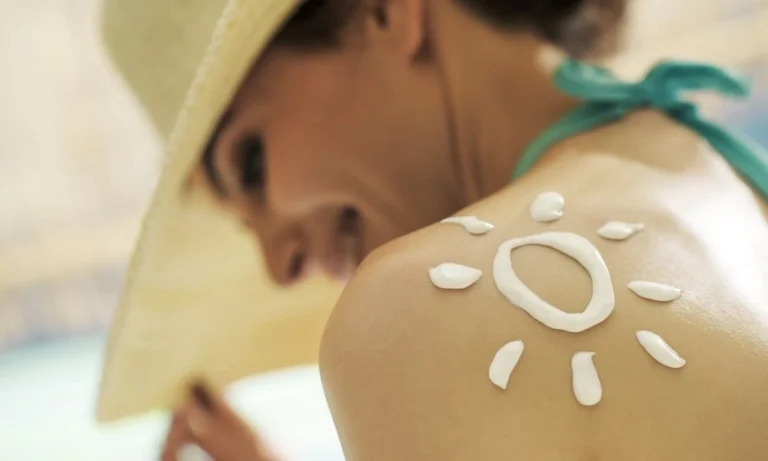
Sand + Sunscreen: This creates a “slurry” or “paste” that is nearly impossible to remove with a vacuum. It requires a lipid-breaking cleaner (soap) and manual agitation.
-
Sand + Mechanical Friction: This is the “Grinding Wheel” effect. Sand between a suitcase wheel and a hardwood hotel floor will gouge the finish in a single pass.
-
Sand + Bedding: Particulates in the bed lead to “Micro-Lacerations” of the skin, which, when combined with saltwater and sweat, can cause “Beach Rash” or folliculitis. This is the ultimate failure of room management.
Maintenance, Governance, and Long-Term Adaptation
For those who travel frequently to coastal environments, sand management is a “Long-Term Governance” issue. It requires a shift in how one packs and interacts with hospitality spaces.
-
Review Cycles: After each beach day, perform a “Hot Spot Check” of the room. Focus on the area around the suitcase, the entryway, and the bathroom floor.
-
Adjustment Triggers: If sand is found in the bed, the protocol has failed. This should trigger a “Deep Reset”—changing all linens and vacuuming the mattress protector.
-
Layered Checklist for Departure:
-
Vacuuming: Ensure all suitcase wheels and undersides are wiped.
-
Inventory: Shake out all clothing over a bathtub or balcony before packing.
-
Documentation: Take photos of the floor to prove no abrasive damage occurred during the stay.
-
Measurement, Tracking, and Evaluation
How do you know if you are successfully managing sand?
-
The “Barefoot Test” (Qualitative): Walk from the bed to the bathroom in the dark. If you feel even a single grain of grit underfoot, your “Swiss Cheese” layers have failed.
-
Particulate Accumulation Rate (Quantitative): Observe the corners of the room. If a “dune” forms within 24 hours, the entry-point filtration is insufficient.
-
HEPA Filter Discoloration: For those using portable air purifiers, the rate at which the pre-filter becomes “grey” or “gritty” indicates the level of lofted sand dust in the room.
Common Misconceptions and Oversimplifications
-
Myth: “Wet sand is easier to clean.” Correction: Wet sand has higher adhesion. It must be dried to be mechanically removed or rinsed with high volumes of water to be flushed.
-
Myth: “Hotel vacuums are always sufficient.” Correction: Most hotel vacuums are designed for hair and lint. Sand is heavy; unless the vacuum has a “brush bar” and high-inch water lift, it will only pick up the top 10% of grains.
-
Myth: “Shaking clothes in the room is fine if you vacuum later.” Correction: This loft’s dust into the curtains and bedding,g where it remains for the duration of your stay.
-
Myth: “Expensive hotels don’t have sand problems.” Correction: Luxury hotels often have more “hidden” sand traps, such as deep-pile rugs and intricate molding, which are harder to clean than budget-tile rooms.
-
Myth: “Sand can’t damage a screen.” Correction: Even “Gorilla Glass” can be scratched by quartz sand, which has a Mohs hardness of $7$.
Ethical and Practical Considerations
There is an ethical dimension to how to manage sand in hotel rooms. Excessive sand left in a room significantly increases the physical toll on housekeeping staff. In many coastal regions, these workers are prone to repetitive strain injuries from the heavy lifting and deep scrubbing required to “reset” a sandy room. By practicing “Responsible Containment,” a traveler not only preserves the room but also acts with empathy toward the labor force. Practically, this also ensures that the “Coastal Ecosystem” stays at the beach. Removing large volumes of sand from a local beach—even inadvertently in your luggage—can contribute to localized erosion when multiplied by millions of tourists annually.
Conclusion
The presence of sand in a hotel room is a fundamental conflict between the raw energy of the coastline and the structured expectations of modern civilization. To manage this conflict, one must move beyond the superficial and embrace a role as an “Environmental Governor” of one’s own space. Success does not stem from a single tool, but from the rigorous application of ‘Point of Detachment’ logic and the ‘Swiss Cheese’ model of containment. These frameworks ensure that even when individual layers fail, the system as a whole remains resilient. By understanding the mineral behavior of the destination and implementing a tiered filtration system, the traveler can enjoy the shore without bringing the grit of the world into the sanctuary of the suite. Ultimately, the best way to manage sand is to respect its power to invade and to systematically deny it the opportunity to settle.