How to Manage Jellyfish Sting Risks: The 2026 Editorial Audit
The global maritime environment is currently experiencing a significant ecological shift, characterized by the proliferation of cnidarian populations in coastal waters. As ocean temperatures fluctuate and nutrient runoff alters the chemical composition of the near-shore environment, the frequency of human-jellyfish interactions has escalated from a seasonal nuisance to a structural logistical challenge for travelers and maritime operators. For the serious coastal enthusiast, the presence of these gelatinous organisms is not an invitation to avoid the water, but a demand for a sophisticated, data-driven approach to risk mitigation.
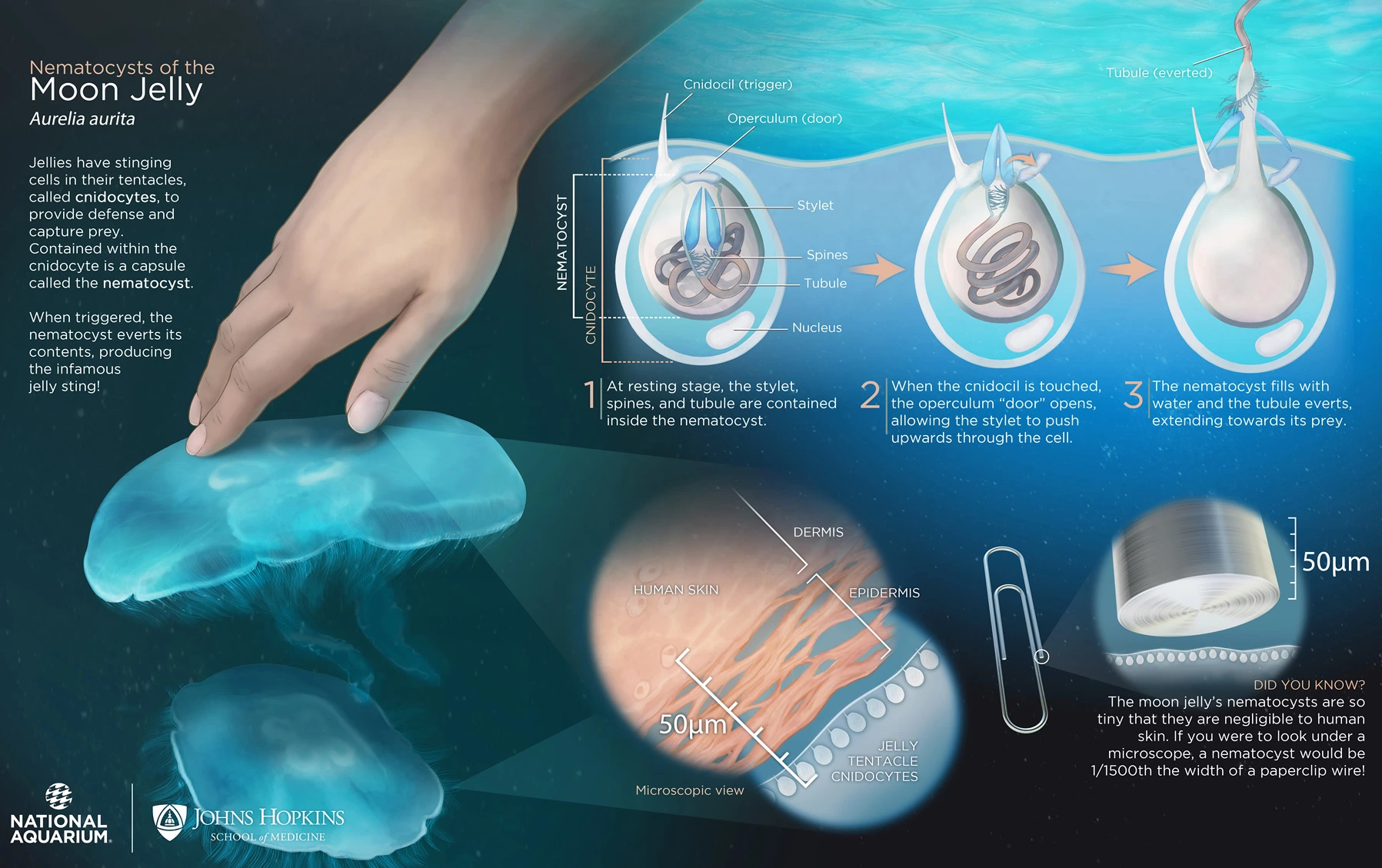
A jellyfish sting is not a singular biological event; it is a complex mechanical and chemical interaction. At the microscopic level, thousands of specialized cells known as cnidocytes act as pressurized harpoons, triggered by both physical contact and chemical signals from the victim’s skin. Understanding the mechanics of this “firing” process is the foundational requirement for anyone seeking to navigate high-risk waters. Without a rigorous framework for prevention and response, the maritime traveler is left to rely on folk remedies and anecdotal evidence, which frequently exacerbate the injury rather than alleviate it.
This editorial audit deconstructs the systemic drivers of cnidarian risk, moving beyond surface-level first aid to explore the intersection of oceanography, biology, and personal protective technology. We will analyze the predictive patterns of “jellyfish blooms,” the chemical efficacy of various topical barriers, and the logistical governance required to maintain safety across diverse maritime ecosystems. The objective is to provide a flagship reference that empowers the traveler with “Biological Situational Awareness,” ensuring that the restorative value of the ocean remains accessible despite the shifting ecological landscape.
Understanding “how to manage jellyfish sting risks”
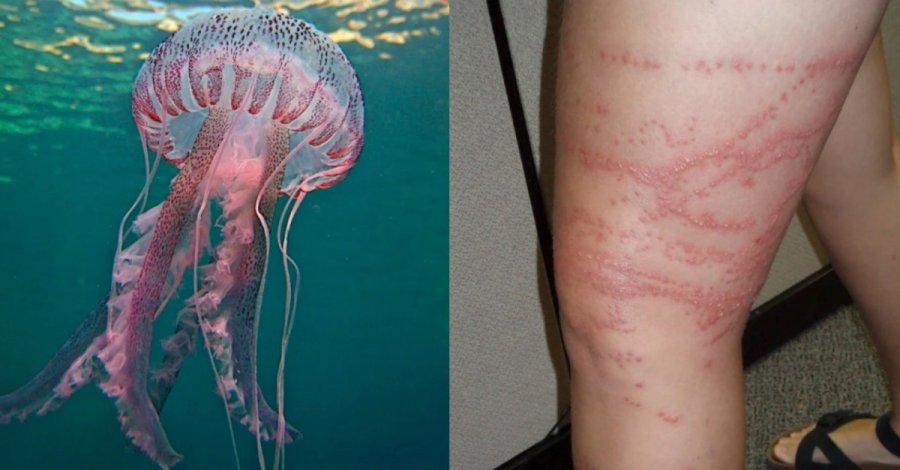
To effectively master how to manage jellyfish sting risks, one must first acknowledge the extreme variability of the threat. The “risk” is not a monolith; it exists on a spectrum ranging from the mild cutaneous irritation of a Moon Jelly to the systemic cardiovascular collapse associated with the Australian Box Jellyfish (Chironex fleckeri). A common misunderstanding is that risk management begins when one feels a sting. In reality, the most critical interventions occur in the hours and days preceding water entry. If a traveler is not monitoring wind direction, tidal flow, and regional bloom reports, they are essentially engaging in a game of biological chance.
From a multi-perspective view, managing these risks involves a decoupling of “Presence” from “Injury.” The mere presence of jellyfish in the water does not guarantee a sting, provided the traveler employs physical barriers like stinger suits or chemical inhibitors. Conversely, a seemingly clear ocean can harbor fragmented tentacles or microscopic larval forms that still possess active nematocysts. This “Invisible Risk” is often oversimplified in general travel guides, leading to a false sense of security during calm, clear days when onshore winds may actually be concentrating venomous fragments in the shallows.
Furthermore, there is the “Reflexive Failure” risk. When a sting occurs, the human instinct is to rub the affected area or rinse it with fresh water. From a biological standpoint, these are the two most detrimental actions possible. Rubbing mechanically triggers any unfired nematocysts, while fresh water alters the osmotic pressure around the cnidocyte, causing it to discharge its venom. An authoritative management plan replaces these instincts with a “Neutralization Protocol”—prioritizing the chemical deactivation of the firing mechanism before attempting to remove the physical tissue.
The Historical and Systemic Evolution of Cnidarian Proliferation
The “Jellyfish Bloom” phenomenon is not new, but its frequency and intensity have undergone a systemic shift over the last three decades. Historically, jellyfish populations were kept in check by a combination of natural predators—primarily sea turtles and certain finfish—and stable water temperatures. However, overfishing of apex predators has removed the “top-down” controls on jellyfish populations, while the expansion of “Dead Zones” (hypoxic areas caused by agricultural runoff) has provided jellyfish with a competitive advantage. Unlike most marine life, many jellyfish species thrive in low-oxygen environments that exclude their competitors.
The evolution of maritime infrastructure has also inadvertently supported this proliferation. The increase in coastal hardening—docks, piers, and oil rigs—provides ideal “polyp nurseries.” Most jellyfish begin their lives as sedentary polyps attached to hard surfaces; the more artificial structures we place in the water, the higher the “recruitment rate” for the next generation of medusae. This shift means that modern coastal travel now takes place in an environment that is structurally biased toward jellyfish dominance.
Technologically, our ability to track these risks has evolved from simple beach flags to satellite-monitored “Bloom Forecasting.” We now understand that jellyfish movement is largely dictated by “Langmuir Circulation”—cells of rotating water created by wind—which can concentrate thousands of organisms into narrow bands. The modern traveler must adapt to this evolution by moving from a “static” understanding of beach safety to a “dynamic” model that accounts for real-time oceanographic data.
Conceptual Frameworks and Mental Models
To navigate high-risk waters, the following mental models are essential for objective decision-making.
1. The “Chemical-Mechanical Lock” Model
View the nematocyst as a double-locked door. To “open” (fire) it, you need a chemical trigger (human skin oils) and a mechanical trigger (pressure/contact). To manage the risk, you must eliminate one or both locks. A stinger suit removes the mechanical lock; a specialized jellyfish-repellent sunscreen interferes with the chemical lock.
2. The “Onshore-Wind Probability” Framework
In most coastal regions, jellyfish are pelagic—they live in the open ocean. They only become a human risk when they are pushed into the littoral zone. This model dictates that risk is directly proportional to the duration and intensity of onshore winds. If the wind has been blowing toward the beach for 48 hours, the risk is statistically at its peak, regardless of water clarity.
3. The “Surface-to-Volume” Ratio of Protection
This model suggests that the efficacy of protective gear is determined by the percentage of exposed skin. In high-risk zones (like Northern Australia during “Stinger Season”), even a 2% exposure (hands/face) represents a failure point. The goal is “Total Encapsulation” when dealing with high-lethality species.
Key Categories of Jellyfish and Geographical Trade-offs
Understanding the specific biological threat in your region is the first step in calibration.
| Category | Primary Examples | Geographical Hotspots | Risk Profile |
| Cubozoans (Box Jellyfish) | Chironex fleckeri, Irukandji | Northern Australia, SE Asia | High Lethality; Systemic failure |
| Physaliids (Bluebottles) | Portuguese Man o’ War | Atlantic, Pacific, and Indian Oceans | Severe Pain; Long tentacles |
| Scyphozoans (True Jelly) | Sea Nettle, Lion’s Mane | Temperate/Cold waters | Cutaneous pain; localized swelling |
| Micro-Jellyfish | Larval forms (Sea Bathers) | Florida, Caribbean | “Sea Bather’s Eruption” (rash) |
Decision Logic: In Cubozoan territory, the only acceptable mitigation is avoidance or 100% skin coverage. In Scyphozoan territory, the focus shifts to topical inhibitors and post-sting neutralization (vinegar).
Detailed Real-World Scenarios
The “Clear Water” Deception
A swimmer enters clear Caribbean water after a week of storms. Within minutes, they experience intense stinging across the torso with no visible organisms.
-
The Cause: “Tentacle Fragmentation.” The recent storms mechanically broke apart jellyfish; the fragments remain buoyant and venomous but are invisible to the naked eye.
-
Failure Mode: Rinsing with fresh water under the hotel shower, causing thousands of microscopic fragments to fire simultaneously.
-
Corrective Action: Immediate application of vinegar and a scraping technique using a plastic card to remove invisible fragments.
The “Dead on the Sand” Error
A beachcomber finds a bluebottle washed up on the sand and attempts to move it with a stick, accidentally touching the dry tentacle.
-
The Cause: Nematocysts can remain active for weeks even if the organism is dead or desiccated.
-
Resolution: Treat the area as an active sting. Use salt water (not fresh) to rinse.
The “Irukandji” Delay
A snorkeler in Queensland feels a “minor nip” like a sea lice bite. They ignore it and continue swimming.
-
The Failure: Irukandji syndrome has a “latency period” of 20–40 minutes.
-
The Outcome: The victim experiences severe lower back pain, vomiting, and skyrocketing blood pressure while still in the water, leading to a potential drowning risk.
-
Resolution: In high-risk Cubozoan zones, any sensation of a sting requires an immediate exit from the water and observation.
Planning, Cost, and Resource Dynamics
The “Fiscal Architecture” of jellyfish safety involves balancing the cost of gear against the potential medical and opportunity costs of an injury.
| Expense Category | Basic Mitigation | Professional/High-Risk Kit |
| Protective Apparel | $30 (Generic Rash Guard) | $120+ (Certified Stinger Suit) |
| Topical Barriers | $0 | $20 (Safe Sea/Inhibitor) |
| First Aid Supplies | $5 (Vinegar) | $50 (Sting kits, heat packs) |
| Information Resources | Free (Beach Flags) | Paid (Premium bloom tracking apps) |
Indirect Costs: A single severe sting can result in the total loss of a $5,000 vacation, plus potential emergency medical evacuation costs. For travelers in remote regions, the “Opportunity Cost” of not having a $20 bottle of vinegar or a $100 suit is astronomically high.
Tools, Strategies, and Support Systems
To maintain a robust safety profile, utilize the following specialized systems:
-
Topical Nematocyst Inhibitors: These lotions use a combination of surfactants to mask the skin’s chemical signature and “de-grease” the jellyfish’s sensors.
-
Lycra/Nylon Stinger Suits: These provide a mechanical “frictionless” surface that tentacles struggle to adhere to, while also being thin enough to prevent heat stroke.
-
Acetic Acid (Vinegar): The universal neutralizer for Cubozoan and many Scyphozoan stings. It chemically “locks” the nematocysts, preventing further venom injection.
-
The “Plastic Card” Technique: Using a credit card or hotel key to scrape away tentacles in a single direction, minimizing the “rolling” action that triggers more cells.
-
Heat Application (Hot Water): For certain species (like Bluebottles and Sea Nettles), recent studies suggest that water at 45°C (113°F) for 20 minutes denatures the protein-based venom more effectively than ice.
-
Bloom Mapping Apps: Utilizing crowdsourced data to see real-time sightings.
-
Polarized Eyewear: Essential for spotters to see “near-surface” medusae that are invisible due to water glare.
-
Anaphylaxis Kits (EpiPen): For those with a history of severe allergic reactions to bee stings or previous marine stings.
Risk Landscape and Taxonomy of Failure Modes
The “Failure Modes” of jellyfish management are often rooted in “Compounding Errors.”
-
The “Osmotic Shock” Failure: Rinsing a sting with fresh water. This is the most common reason a “mild” sting turns into a “medical” emergency.
-
The “Mechanical Agitation” Failure: Attempting to rub sand on a sting to “scrub” it off. This acts as a mechanical trigger for every remaining nematocyst.
-
The “Secondary Transfer” Failure: Touching the sting area with the palm, then touching the eyes or face, transferring venom to sensitive mucosal membranes.
-
The “Urine Myth” Failure: Applying urine to a sting. Depending on the pH and urea concentration, this can actually trigger nematocyst discharge, and it introduces a risk of bacterial infection.
Governance, Monitoring, and Long-Term Adaptation
Coastal safety requires an iterative “Governance” model. One must treat each beach entry as a new data environment.
-
Monitoring Cycles: Check the wind history of the last 48 hours. Is there a “Convergence Zone” forming?
-
Adjustment Triggers: If you see one jellyfish on the sand, assume there are 1,000 in the water. If you see a “Blue Flag” (in Australia), the beach is closed for a reason.
-
Layered Checklist:
-
Pre-Entry: Check “Stinger Reports” and wind direction.
-
Entry: Apply inhibitor; don stinger suit; check for “Spotters.”
-
Immediate Post-Sting: Exit water; do not touch; apply vinegar; assess for systemic symptoms.
-
Long-Term: Document the reaction; identify the species for future avoidance.
-
Common Misconceptions and Oversimplifications
-
Myth: “Jellyfish only sting if they are hungry or threatened.” Correction: Stinging is a passive, mechanical reflex. The jellyfish has no “intent.”
-
Myth: “Vinegar works for everything.” Correction: For the Portuguese Man o’ War (Physalia), some studies suggest vinegar can actually trigger discharge. In these cases, salt water and heat are preferred.
-
Myth: “Meat tenderizer or baking soda is the best cure.” Correction: These are inconsistent and can cause skin irritation. Vinegar (for Box/Sea Nettle) and Hot Water (for Bluebottles) are the clinical standards.
-
Myth: “If you’re wearing a wetsuit, you’re 100% safe.” Correction: Standard neoprene is excellent, but “seams” and “zips” are entry points for fragmented tentacles.
-
Myth: “Jellyfish can’t sting through clothes.” Correction: Some long-tentacled species can wrap around the neck or face, the areas usually left exposed by standard swimwear.
Conclusion
Successfully navigating the maritime world requires a transition from “Fear” to “Management.” How to manage jellyfish sting risks is to accept the reality of a changing ocean and respond with technical precision. By deconstructing the biological “locks” of the nematocyst, monitoring oceanographic patterns, and maintaining a rigorous first-aid protocol that prioritizes chemical neutralization over mechanical removal, the traveler can maintain their agency in the water. The jellyfish is a primitive organism governed by simple physics; by applying a more sophisticated set of physics and biology in our defense, we ensure that the shore remains a place of restoration rather than injury.


