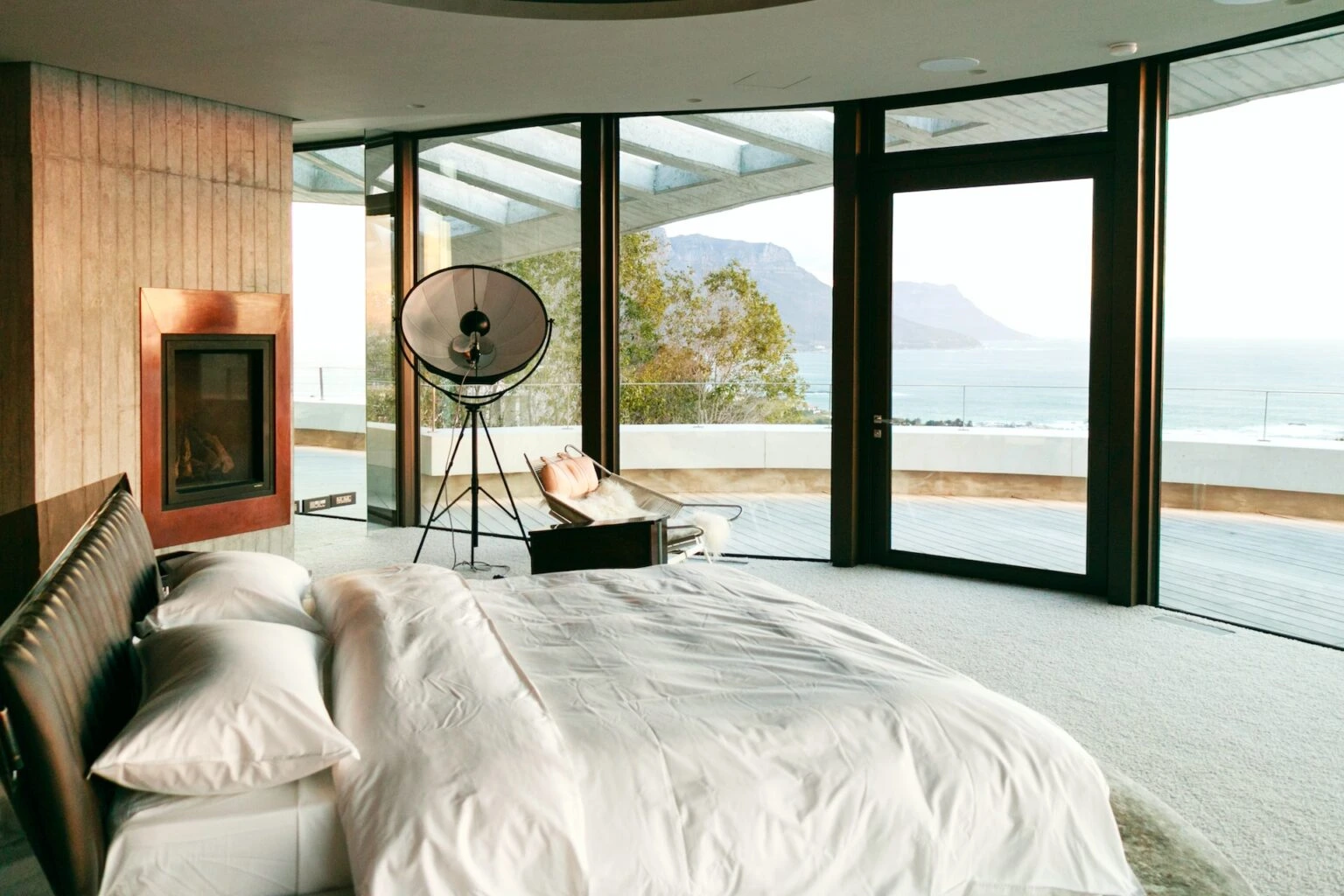
Common Mistakes When Choosing Oceanfront Rooms: The 2026 Audit
The selection of a coastal residence, even for a transient period, is an exercise in managing the intersection of high-yield hospitality marketing and physical geography. In the contemporary travel market, the term “oceanfront” has been stretched to accommodate a wide variety of structural configurations, many of which do not align with the consumer’s idealized vision of an uninterrupted maritime horizon. The premium paid for these rooms—often 40% to 100% above the base rate—demands a level of scrutiny that goes beyond a cursory glance at high-resolution, wide-angle marketing photography.
What many travelers fail to account for is that a room’s value is not merely determined by its proximity to the water, but by its “Acoustic and Visual Integrity.” A room may be physically situated on the beach, yet functionally compromised by the proximity of high-traffic public walkways, service docks, or resort-wide entertainment systems. This discrepancy between physical location and functional utility is where the most significant fiscal and experiential losses occur. To navigate this, one must move toward a more analytical assessment of resort architecture and littoral positioning.
Ultimately, the goal of a refined maritime accommodation strategy is to achieve “Environmental Synchronicity.” This is the state where the room’s internal environment—its light, sound, and airflow—harmonizes with the external coastal landscape without the interference of the resort’s operational friction. By deconstructing the high-margin categorizations of hotel inventory, the traveler can move from being a passive consumer of a “view” to an active manager of their own spatial experience. This editorial audit deconstructs the systemic drivers of selection failure, providing the necessary frameworks for achieving true maritime seclusion.
Understanding “common mistakes when choosing oceanfront rooms”
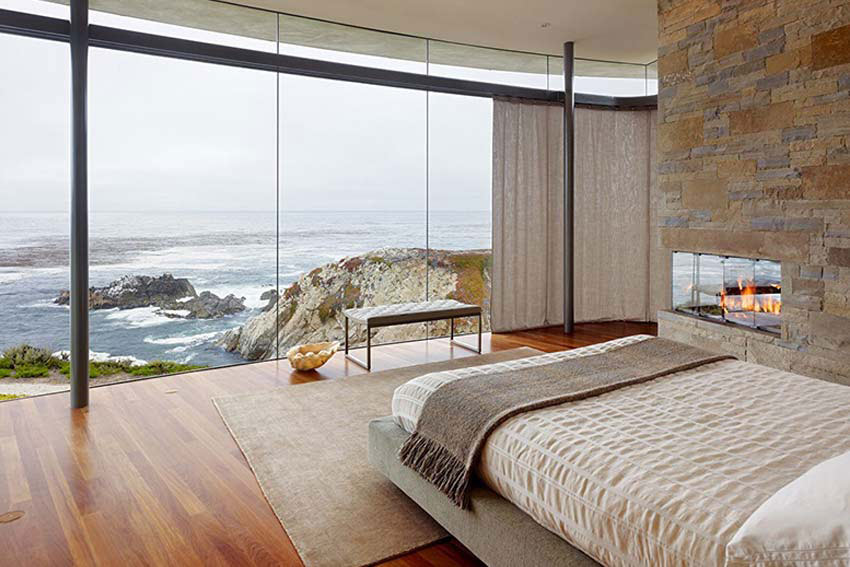
To effectively master common mistakes when choosing oceanfront rooms, one must first dismantle the linguistic ambiguity used by the hospitality industry. A fundamental misunderstanding exists regarding the difference between “Oceanfront,” “Ocean View,” and “Partial Ocean View.” In a professional audit of hotel inventory, “Oceanfront” should imply that the building itself is oriented perpendicular to the shoreline, offering a direct, forward-facing view of the water from the primary living space. However, many properties apply this label to rooms that are merely “fronting” the ocean-side of the resort, even if the actual view is obstructed by palm trees, pool cabanas, or privacy walls.
Another perspective involves the “Utility of the Balcony.” Many travelers pay a premium for a terrace that is functionally unusable due to “Thermal Loading” or “Acoustic Saturation.” If an oceanfront room is situated directly above a resort’s central air conditioning units or the exhaust fans of a seaside kitchen, the sensory benefit of the ocean is negated by mechanical noise and odors. The oversimplification risk here is assuming that “Frontage” equals “Quiet.” In high-density resort zones, the oceanfront is often the loudest part of the property due to public beach access, surfside bars, and morning maintenance crews cleaning the sand.
There is also the “Vertical Fallacy”—the assumption that a higher floor is always superior. While height provides a broader horizon, it often disconnects the traveler from the “Grounded Maritime Experience.” On lower floors, the sound of the surf is more distinct and rhythmic, whereas on higher floors (above the 10th), the wind often creates a high-frequency whistling effect that can be disruptive. Selecting the wrong elevation is among the most common mistakes when choosing oceanfront rooms, as it fundamentally alters the room’s acoustic profile.
Historical and Systemic Evolution of Room Categorization
The monetization of the “View” as a separate asset class began with the grand hotels of the Victorian era. Initially, the most expensive rooms were those on lower floors because they did not require extensive stair-climbing. As elevators became standard, the value inverted, and the “Penthouse” or “Top-Floor Vista” became the primary luxury commodity. This historical shift established the precedent that the further one is from the ground, the more “exclusive” the experience, a logic that still dictates hotel pricing today despite the practical drawbacks of high-altitude coastal living.
By the mid-20th century, the “Resort-Wing” model emerged, where buildings were designed in a U-shape or V-shape to maximize the number of rooms that could claim a “Partial View.” This was the birth of the “Angle of Infraction”—a systemic attempt to market rooms with a 15-degree sliver of blue as premium inventory. Today, this has evolved into “Algorithmic Pricing,” where the room rate fluctuates based on the specific “View Rating” assigned by a third-party audit, often ignoring the actual quality of that view in favor of its technical proximity to the high-tide line.
In 2026, we see the rise of “Contextual Realism” in room selection. As travelers become more sophisticated, the market is beginning to recognize that a “Garden View” with total privacy is often more valuable than a “Beachfront” room that faces a public promenade. The systemic evolution is moving toward “Total Environmental Control,” where the luxury guest is not just buying a vista, but the ability to filter out the noise and light pollution that comes with prime coastal real estate.
Conceptual Frameworks and Mental Models
To navigate the high-stakes world of coastal selection, specific mental models are required to override the emotional impulse to “pay for the blue.”
1. The “Acoustic Shadow” Model
This model suggests that the best oceanfront rooms are found in the “Acoustic Shadows” created by the building’s own architecture. By choosing a room that is set back slightly from the main beachfront line, or one shielded by a wing of the building, the traveler can eliminate the lateral noise of the resort (music, crowds) while still retaining the direct sound of the waves.
2. The “Privacy-to-Proximity” Inverse Square Law
As the physical distance to the water decreases, the privacy of the room typically decreases at an exponential rate. An “Oceanfront Ground Floor” room may offer direct sand access, but it also subjects the guest to the gaze of every passerby. This model forces the traveler to decide whether they value “Ease of Access” or “Visual Sovereignty.”
3. The “Sun-Path Analysis” Framework
The quality of an oceanfront view is dictated by the sun’s trajectory. An East-facing room offers a dramatic sunrise but may be uncomfortably hot and bright by 9:00 AM, requiring the curtains to be closed, negating the view. A West-facing room provides “Golden Hour” utility but may suffer from intense afternoon glare. This framework treats the room as a “Solar Collector” rather than just a bedroom.
Key Categories of Ocean-Facing Inventory and Trade-offs
Identifying the right type of room requires deconstructing the labels used by the front desk.
| Category | Primary Benefit | Functional Trade-off | Strategy |
| Direct Oceanfront | Uninterrupted 180° vista | High wind; salt spray on glass | Target the “Mid-Elevation” (Floors 3–6). |
| Ocean-Side (Angle) | Lower cost than “Fron.t.” | The view requires standing on the balcony | Check the “Angle of View” via satellite. |
| Walk-Out Beachfront | Zero-friction sand access | Zero privacy; high sand-tracking | Use “Sheer” curtains to maintain privacy. |
| Partial/Sliver View | Standard room price | 80% of the view is of other buildings | Only book if the price is near the base rate. |
| Lagoon/Cove Front | Still water; zero wind | No “Surf Sound”; stagnant air | Ensure the cove has high tidal flushing. |
Decision Logic: When choosing between a “High-Floor View” and a “Low-Floor Sound,” the “Sound” almost always provides a more restorative psychological effect. The view is a visual stimulus that the brain eventually “filters out” after 48 hours; the sound of the ocean remains a consistent therapeutic background.
Detailed Real-World Scenarios
The “Resort Hub” Saturation
A traveler books the “Grand Oceanfront Suite” at a luxury resort.
-
The Flaw: The room is located directly above the main pool deck.
-
The Outcome: From 10:00 AM to 6:00 PM, the sound of the ocean is completely drowned out by resort music and shouting children.
-
The Resolution: Relocating to a “Side-Wing Ocean View” room, which, despite being further from the water, is 15 decibels quieter.
The “Service Drive” Intersection
A guest selects a room on the far edge of the property for “privacy.”
-
The Flaw: This edge of the property borders the resort’s laundry and delivery entrance.
-
The Outcome: Every morning at 5:00 AM, the sound of reverse-beeping trucks and linen carts replaces the sound of the tide.
-
The Resolution: Using satellite maps to identify the “Logistics Hub” of the hotel before selecting a room number.
The “Vegetation Barrier”
A traveler pays for a “Beachfront Villa.”
-
The Flaw: They visit during the rainy season or a period of high growth.
-
The Outcome: The “Oceanfront” view is entirely obscured by overgrown sea grapes or mangroves that are protected by local environmental laws and cannot be trimmed.
-
The Resolution: Confirming “View-Clearance” with the concierge, specifically for the dates of travel.
Planning, Cost, and Resource Dynamics
The “Premium Gap” for oceanfront rooms is often the most volatile element of a travel budget.
Range-Based Daily Premium (Above Base Rate)
| Room Category | Low Season | High Season | Holiday/Peak |
| Ocean View | +$40 – $80 | +$120 – $200 | +$300+ |
| Direct Oceanfront | +$100 – $150 | +$250 – $450 | +$600+ |
| Corner Oceanfront | +$150 – $250 | +$400 – $700 | +$1,000+ |
Opportunity Cost: Choosing to spend $300/night extra for an oceanfront room over a 7-day stay equals $2,100. If the traveler spends 90% of their time at the pool, beach club, or on excursions, the “Cost-per-View-Hour” becomes astronomically inefficient. A professional plan allocates the premium only if the “In-Room Utility” (time spent on the balcony or in the room) exceeds 6 hours per day.
Tools, Strategies, and Support Systems
To avoid the most common selection errors, utilize this “Audit Stack”:
-
Satellite Topography (Google Earth): Zoom in to see the actual distance between the room and the water. Measure the width of the public walkway between the building and the sand.
-
“Room-Check” Databases: Use traveler-submitted photos from specific room numbers (available on sites like Tripadvisor or Oyster) to see the unedited view.
-
Drone-View Analysis: Many resorts now use drone footage for marketing; look for the “cut” in the video that hides nearby construction or industrial sites.
-
Compass Apps: Determine if the room will be in the shade during the afternoon (desirable in the tropics) or in the morning.
-
The “Concierge Direct” Inquiry: Instead of “Is it oceanfront?”, ask: “Is there anything between my balcony and the sand—including footpaths, bars, or equipment?”
-
Decibel Metering (Post-Arrival): If the room is not as quiet as promised, use a phone app to record decibel levels and request a move based on “Environmental Misrepresentation.”
-
Social Media Geotags: Look at “Recent Posts” at the hotel’s location to see the current state of the beach (e.g., sargassum/seaweed piles or construction).
-
Wind-Direction Tracking: Use nautical apps to see if the prevailing winds will blow salt spray directly onto your balcony, making the furniture damp and sticky.
Risk Landscape and Failure Modes
The “Failure Modes” of room selection are often compounded by seasonal variables that are invisible during the booking process.
-
The “Sargassum Bloom”: You pay for a beachfront room, but the beach is covered in rotting seaweed that produces a sulfuric odor, making the balcony unusable. Mitigation: Check regional “Seaweed Reports” 72 hours before arrival.
-
The “Public Encroachment”: In many regions, the beach is public. A “Beachfront” room may be 5 feet away from a public parking lot or a late-night bonfire zone.
-
The “Glass Glare” Failure: High-end resorts often have floor-to-ceiling glass. If the room faces the setting sun, the interior becomes a greenhouse, forcing you to keep the blackout curtains closed—defeating the purpose of the oceanfront premium.
Governance, Maintenance, and Long-Term Adaptation
Coastal travel is a “Lifecycle Discipline.” One must treat each stay as data for the next.
-
The “Room Number Log”: Maintain a private spreadsheet of specific room numbers that were quiet and well-positioned. Hotels often change room categories (upgrading a “View” to a “Front”), but the room number is a physical constant.
-
Adjustment Triggers: If a resort announces a “Beach Nourishment” project or a nearby development, the “Oceanfront” value drops to zero due to heavy machinery. The adjustment trigger should be a 100% refund of the premium.
-
Layered Checklist:
-
90 Days Out: Verify building orientation.
-
30 Days Out: Check for nearby event permits (concerts/festivals).
-
72 Hours Out: Monitor wind and seaweed patterns.
-
Arrival: Verify “Acoustic Integrity” before unpacking.
-
Measurement, Tracking, and Evaluation
How do you evaluate if the oceanfront premium was a “Successful Investment”?
-
The “Balcony Utilization” Rate: Total hours spent on the balcony divided by the total daily premium. If you paid $200 extra and used the balcony for 1 hour, your “Luxury Burn” is $200/hour.
-
The “Sleep Quality” Delta: Did the sound of the ocean improve your sleep (Leading Indicator) or did the sound of the resort disrupt it (Lagging Indicator)?
-
The “Curtain Transparency” Test: If you felt the need to keep the curtains closed for more than 4 hours of daylight for privacy or heat, the room failed its primary objective.
Common Misconceptions and Oversimplifications
-
Myth: “Oceanfront always means the best view.” Correction: A high-floor “Ocean View” often has a wider, more dramatic vista than a ground-floor “Oceanfront” room blocked by dunes.
-
Myth: “The higher the floor, the quieter the room.” Correction: Sound travels upward. A room on the 4th floor may be shielded by trees, while the 15th floor catches the wind and the reflected sound of the pool.
-
Myth: “Corner rooms are always the best.” Correction: Corner rooms have more wind exposure and are often located near the noisy “Mechanical Chutes” of the building.
-
Myth: “Beachfront is the same as Oceanfront.” Correction: “Beachfront” often refers to the property’s location, while “Oceanfront” refers to the room’s specific orientation.
-
Myth: “Photos on the website are of the actual room.” Correction: Resorts photograph their one “Flagship Suite” and use it to represent an entire category of 50 rooms.
-
Myth: “You can just ask for an upgrade at check-in.” Correction: True oceanfront inventory is almost always 100% committed; the “upgrades” given at check-in are usually the “compromised” rooms that no one wanted to pay for.
Conclusion
The selection of a maritime residence is a process that demands the same rigor as any other high-value asset acquisition. To avoid common mistakes when choosing oceanfront rooms, one must look past the blue horizon and analyze the “Operational Friction” of the resort itself. The most expensive room is not the one with the highest rate, but the one where the premium does not translate into a sensory benefit. By applying models of acoustic shadowing and solar analysis, and by refusing to accept ambiguous industry labels, the traveler can secure a space that truly offers the restorative power of the sea.