Beachfront Resort Guide: The 2026 Strategic Editorial Pillar
The littoral zone, where land and ocean meet, represents the most volatile and high-energy boundary in global hospitality. To architect or even conceptualize a stay at the water’s edge is to engage in a sophisticated negotiation with geomorphology, corrosive atmospheric conditions, and the complex legalities of riparian rights. A beachfront resort is not merely a collection of rooms with a view; it is a “Hydrological Interface”—a system designed to provide human comfort within an environment that is naturally indifferent, and often hostile, to permanent structures.
In the contemporary landscape of 2026, the industry has pivoted away from the “Hard Engineering” models of the late 20th century. We are currently observing a systemic shift toward “Soft Integration,” where the most successful properties utilize biophilic design to harmonize with coastal dunes rather than obstructing them. This evolution reflects a deepening understanding of “Coastal Resilience.” A flagship resort today is measured not just by its aesthetic appeal, but by its “Ecological Sovereignty”—its ability to maintain a five-star service standard while actively managing the “Erosional Debt” of its specific stretch of sand.
Establishing a definitive reference for this sector requires looking past the superficiality of typical travel suggestions. It necessitates a move toward a profound mastery of the variables that define a “Hardened Asset” in the global hospitality sector. Whether navigating the drama of the Pacific Northwest or the coral-fringed keys of the Atlantic, the following analysis provides the analytical depth necessary to master the nuances of the maritime shoreline.
Understanding “beachfront resort guide.”

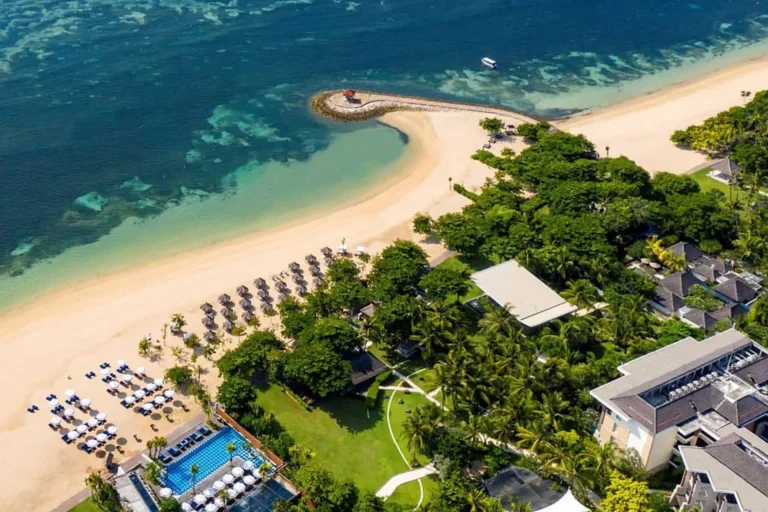
Mastering the use of a beachfront resort guide involves a fundamental move away from the “Postcard Fallacy”—the belief that the visual quality of the sand is the primary indicator of a resort’s value. In professional editorial terms, we evaluate a coastal stay through the lens of “Operational Sovereignty.” This refers to how effectively a resort manages the friction between the public nature of the beach and the private requirements of the guest. In most jurisdictions, the “Wet Sand” (the area below the mean high-tide line) is a public trust. A superior resort strategy identifies properties that utilize “Topographical Enclaves”—coves, cliffs, or dense maritime forests—to create a de facto sense of seclusion within a de jure public framework.
From a multi-perspective view, the “Best” resort concepts are often a conflict between “Asset Density” and “Acoustic Purity.” A common misunderstanding in the hospitality sector is that “more” features—massive pool complexes, multiple dining hubs, and high room counts—equate to luxury. In reality, these features often degrade the “Primary Asset”: the sound of the ocean. Identifying high-value locations involves auditing the “Acoustic Floor” of the property. Can the guest hear the rhythmic pulse of the surf without the “White Noise” of HVAC systems, pool pumps, or neighboring social hubs? The most sophisticated travelers prioritize “Spatial Decoupling,” ensuring that the mechanical and social density of the resort does not bleed into the sensory experience of the shoreline.
The risk of oversimplification in this category is high, particularly regarding the “Beachfront” designation itself. Many properties claim this status while being separated from the water by public roads, boardwalks, or significant “Erosional Buffers” that require a ten-minute walk. An authoritative guide must distinguish between “Visual Proximity” and “Tactical Proximity.” The former offers a view; the latter offers an immediate, unencumbered transition from the living space to the water’s edge. This distinction is the difference between a spectator’s experience and a participant’s immersion.
Deep Contextual Background: The Evolution of Littoral Stays
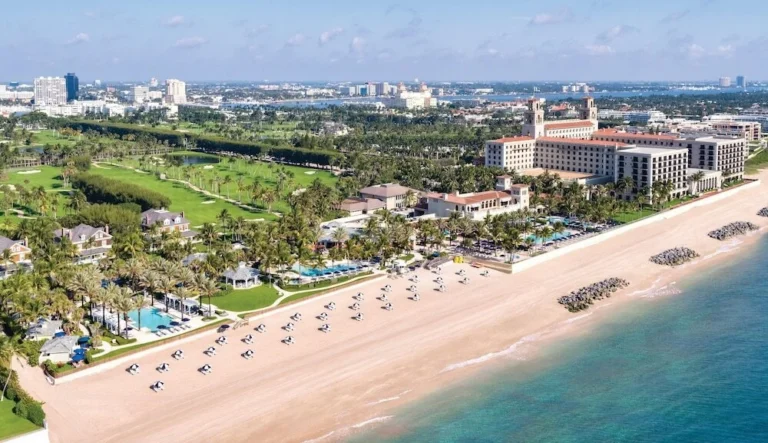
The American relationship with the shore began as a “Sanatorium Movement.” In the late 19th century, the elite sought out the coast for “Climatic Restoration,” believing that the aerosolized minerals in sea spray could cure respiratory ailments. Early flagships like The Breakers and the Hotel del Coronado functioned as ‘Self-Contained Social Ecosystems.’ These massive wooden monoliths stood as architectural anomalies—formal Victorian cities perched on the sand. Within their walls, the rigid social hierarchy of the ballroom held as much importance as the proximity to the water.
The mid-20th century introduced the “Motel Pivot” and the “Surf Culture” influence. As highways were completed, the “Resort” shifted from a static destination to a “Waystation for the West.” This era saw the rise of mid-century modern architecture—low-slung, glass-heavy structures designed to “Frame the Horizon.” However, this era also saw the beginning of “Environmental Friction,” as developers realized that building too close to the high-tide line resulted in catastrophic losses during El Niño cycles or Atlantic hurricanes.
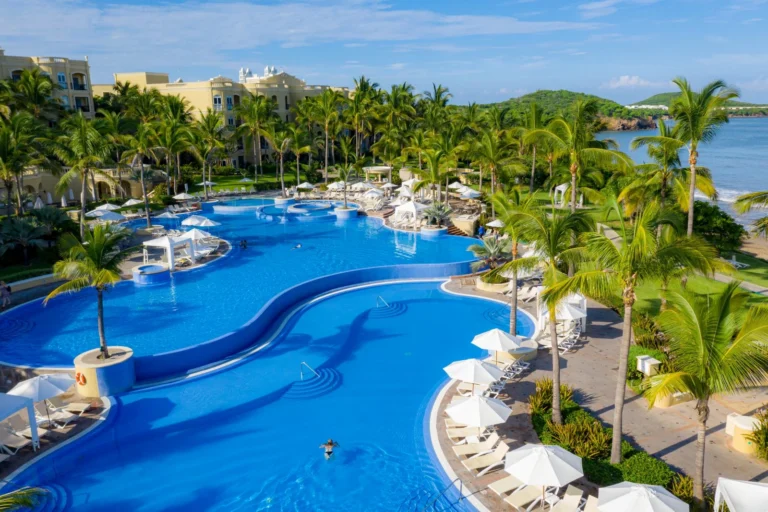
In 2026, we have reached the “Restorative Minimalism” phase. The most prestigious developments now utilize “Indigenous Landscaping” and “Circular Water Systems.” The resort is no longer a rival to the ocean; it is a curated lens. We see a shift away from the “Mega-Pool” complexes toward “Biological Integration,” where the property’s value is tied directly to its stewardship of the local reef, dune, or mangrove ecosystem. This historical trajectory reflects a move from “Conquest” to “Coexistence.”
Conceptual Frameworks and Mental Models
To evaluate beachfront assets with professional rigor, apply these frameworks:
1. The “Acoustic Shadow” Model
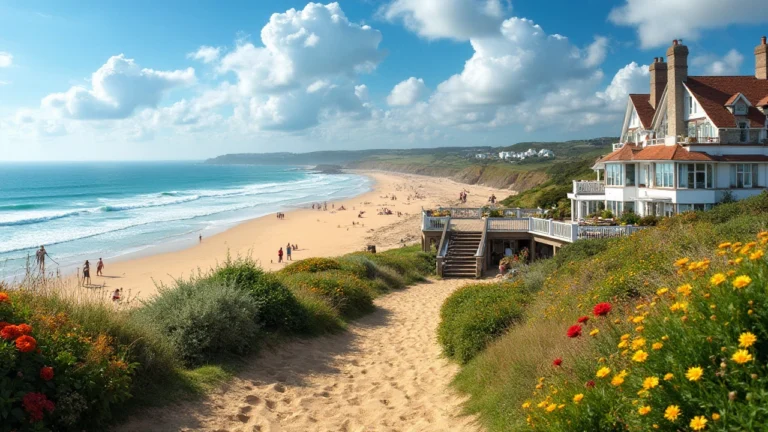
Sound travels across flat water with zero impedance. A stay can be “Acoustically Compromised” by a public boardwalk or a neighboring resort’s beach club, even a mile away. Use this model to identify “Topographical Buffering”—choosing properties that utilize “Primary Dunes” or “Elevation Deltas” as a natural sound wall.
2. The “Thermal Inversion” Framework
On the Pacific coast, the “Marine Layer” (fog) can trap cold air at the shoreline while it is 80°F just 500 yards inland. A flagship resort must include “Vertical Redundancy”—providing amenities both at the “Surf Level” (for visual interaction) and at an “Elevated Terrace” (to remain above the fog line).
3. The “Service-to-Sand” (StS) Ratio
In many regions, beaches are public. A flagship stay is defined by its ‘Service-to-Sand’ ratio. This metric measures the density of private infrastructure—including staff, seating, and shade—deployed on a public landform to create an exclusive ‘Sovereign Sanctuary’ for the guest. If a “Luxury” resort requires the guest to navigate a 200-yard public parking lot to reach the water, the “Service Architecture” has failed to adapt to the geographic reality.
Key Categories of Beachfront Environments and Trade-offs
Identifying the “Terrain Type” is critical for matching “Atmospheric Tolerance” to the destination.
| Category | Typical Hazard | Aesthetic Profile | Core Trade-off |
| The Cliffside Enclave | Landslides/Erosion | Dramatic, Rugged | Visual majesty vs. zero sand access |
| The Barrier Island | Storm surge/Drift | Expansive, Soft | Massive space vs. Logistical isolation |
| The Protected Cove | High social density | Intimate, Calm | Safe swimming vs. Lack of privacy |
| The Lowcountry Marsh | Insects/Silt | Mossy, Green | Ecological depth vs. Murky water |
| The Volcanic Shelf | Sharp rock/Heat | Minimalist, Black | Pristine water vs. Physical discomfort |
| The Boreal Inlet | Fog/Cold water | Primeval, Silencer | Total solitude vs. Thermal constraints |
Decision Logic: If the priority is “Multi-Generational Stability,” the Protected Cove is superior. If the priority is “Cognitive Decoupling” (silence and reset), the Boreal Inlet or Cliffside Enclave represents the “Sovereign Peak.”
Detailed Real-World Scenarios
The “Lowcountry” Sediment Failure
A traveler books a “Deep-Water” villa on a South Carolina sea island during a spring tide.
-
The Reality: These islands are built on “Silt and Pluff Mud,” not rock. The “Deep Water” dock is currently unusable due to “Siltation.”
-
Failure Mode: The guest expected a yacht-access stay but is trapped by a 400-foot mudflat at low tide.
-
Resolution: A flagship stay here must include a “Tidal Logistics Plan”—coordinated boat transfers that ignore the clock and follow the moon.
The “Sargassum” Bloom
A guest stays at a premier Caribbean-style resort in Florida during a massive seaweed bloom.
-
The Hazard: Rotting sargassum releases hydrogen sulfide gas, creating a “Rotten Egg” smell.
-
Failure Mode: The “Beachfront” room becomes an “Atmospheric Hazard.”
-
Resolution: The authoritative resort utilizes “Offshore Barriers” and a 24/7 “Clean-Team” to maintain the “Olfactory Integrity” of the shoreline.
Planning, Cost, and Resource Dynamics
The “Economic Architecture” of a beachfront resort is governed by “Scarcity Rents” and “Maintenance Taxes.”
Range-Based Resource Estimation (7-Day Stay, 2 Adults)
| Tier | Estimated Total Spend | Cost Per Key (Operational) | Asset Quality |
| Upper-Tier Premium | $5,000 – $8,000 | $300 – $500 | Standardized/Crowded |
| Luxury Flagship | $12,000 – $22,000 | $800 – $1,200 | Service Density/Brand |
| Ultra-Exclusive | $40,000+ | $2,500+ | Privacy/Geographic Moat |
Opportunity Cost: The “Cost of Proximity” is often paid in “Acoustic Noise.” A room that is 10 feet from the water is subject to the “High-Decibel Roar” of the surf. Many sophisticated guests choose the “Second-Row Elevation”—retaining the view but reducing the “Auditory Fatigue” caused by the breaking waves.
Tools, Strategies, and Support Systems
To navigate the market with authority, utilize this “Tactical Stack”:
-
NOAA Tide Tables: Essential for properties where a 6-foot tide change can eliminate the “Dry Sand” area.
-
Windy.com (ECMWF Model): To track “Onshore vs. Offshore” winds. An offshore wind brings clarity; an onshore wind brings fog and debris.
-
Satellite Bathymetry: Use Google Earth to see if a beach has a “Steep Drop” (dangerous for children) or a “Long Shallow” (perfect for wading).
-
“Incognito” Satellite Audits: Check for “Public Access Paths” adjacent to your room. A “Secluded” room next to a public trailhead is a “Privacy Failure.”
-
Sargassum Trackers: For Florida and the Caribbean, these provide a 48-hour forecast of seaweed mass.
-
Polarized Optics: Essential for seeing through surface glare to monitor underwater hazards or marine life.
Risk Landscape: Taxonomy of Compounding Hazards
-
Geological Hazard: Cliff-side properties are subject to “Mass Wasting” (landslides). An authoritative audit checks the “Geotechnical Stability” of the resort’s foundation.
-
Atmospheric Hazard: “Salt-Air Corrosion.” If a resort hasn’t had a “Soft-Goods Refresh” (cushions, umbrellas) in 24 months, the “Tactical Quality” will be compromised.
-
Biological Hazard: “Red Tide” (algal blooms) can make beach air irritating to the lungs. Check local “Surf Reports” rather than general weather apps for biological warnings.
-
Logistical Hazard: “The Single Road Failure.” Destinations like the Florida Keys or the Outer Banks have one main road. An accident can turn a 2-hour drive into an 8-hour ordeal.
Governance, Maintenance, and Long-Term Adaptation
A “Generational Asset” manages its “Lifecycle” with precision.
-
Monitoring the “Berm”: A healthy beach has a wide “Berm”—the flat area above high tide. If the beach is “Nourishing” (pumping sand), construction noise will be high. Check municipal schedules before booking.
-
Capital Improvement Cycles: A premier resort must replace all exterior “Soft Goods” every 24 months and perform a “Hard Refit” every 7 years.
-
Ecological Stewardship: Does the resort use “Turtle-Friendly” or “Dark-Sky” lighting? In 2026, “Luxury” is defined by the property’s ability to minimize its “Light and Noise Pollution.”
-
Service Continuity: High staff turnover is a “Lagging Indicator” of a failing asset. A flagship property is one where the “Beach Captain” has been in place for a decade.
Measurement, Tracking, and Evaluation
How do you determine if a resort is truly a “Flagship”?
-
The “Acoustic Floor”: At 2:00 AM, with the balcony door closed, can you hear the road or the pool pump?
-
The “Spatial Buffer”: Does the resort provide at least 20 feet of space between lounge chairs?
-
The “Recovery Index”: When a “Marine Layer” ruins a scheduled activity, how “Empowered” is the concierge to provide an equivalent high-value alternative?
-
The “Bio-Density Index”: Does the resort have active wildlife? A “Sterile” resort is a sign of poor environmental governance.
Common Misconceptions and Oversimplifications
-
Myth: “Oceanfront means sand access.” Correction: On the Pacific, “Oceanfront” often means being 100 feet above the water on a granite ledge.
-
Myth: “Private beaches are truly private.” Correction: In almost every jurisdiction, the “Wet Sand” belongs to the public. You are paying for “Dry Sand” exclusivity.
-
Myth: “High waves mean a bad beach.” Correction: For the sophisticated traveler, waves provide “Acoustic Privacy” by masking the sound of other people.
-
Myth: “Summer is the best time for the beach.” Correction: For the Southeast, summer is “Hurricane Season” and “Humidity Peak.” Fall is the “Golden Window.”
-
Myth: “The water is always blue.” Correction: Water color is a function of “Suspended Solids.” After a storm, even the “best” beaches turn green or brown.
Conclusion
The pursuit of the environments described in this beachfront resort guide is ultimately a search for “Atmospheric Harmony.” It is the point where the “Built Environment” of luxury hospitality successfully negotiates with the “Fluid Power” of the ocean. Success does not lie in a room’s gold-plated faucets; it stems from ‘Logistical Silence.’ In this state, a property’s ‘Service Architecture’ manages every environmental friction—from salt to sound—into the background, ensuring an unobstructed guest experience. As the global coastline continues to evolve, the true “Flagships” will be those that offer not just a view, but a “Sovereign Sanctuary” against the noise of a changing world.